Leave Your Message

What Are the Best Types of Bath Shower Curtains?

A Bath Shower Curtain does more than keep water off the floor. It can soften a small bathroom, add color, and make daily cleaning easier—or more frustrating. The best choice depends on your tub, ventilation, budget, and how much care you want to give it. A lightweight polyester curtain may suit frequent washing, while vinyl or PEVA can be simple to wipe clean. Fabric feels softer, but it may need a separate liner and regular laundering. No material is perfect.

This guide compares common curtain types by practical features, not just appearance. We’ll consider water resistance, upkeep, durability, privacy, and how each option hangs beside a standard tub. Check the product’s care label and dimensions before buying; a curtain that is too short can let splashes escape, while excess fabric may drag near the tub. Small details matter. A liner can help protect decorative fabric, but it also needs cleaning and replacement over time. Mold-resistant claims are not a substitute for airflow or routine care. That part is easy to overlook. Think about how your bathroom is used: a busy family bathroom may need a washable, quick-drying option, while a guest bath may allow more attention to appearance. The right Bath Shower Curtain is the one that fits your space and habits, even if it isn’t the most stylish choice on the shelf.
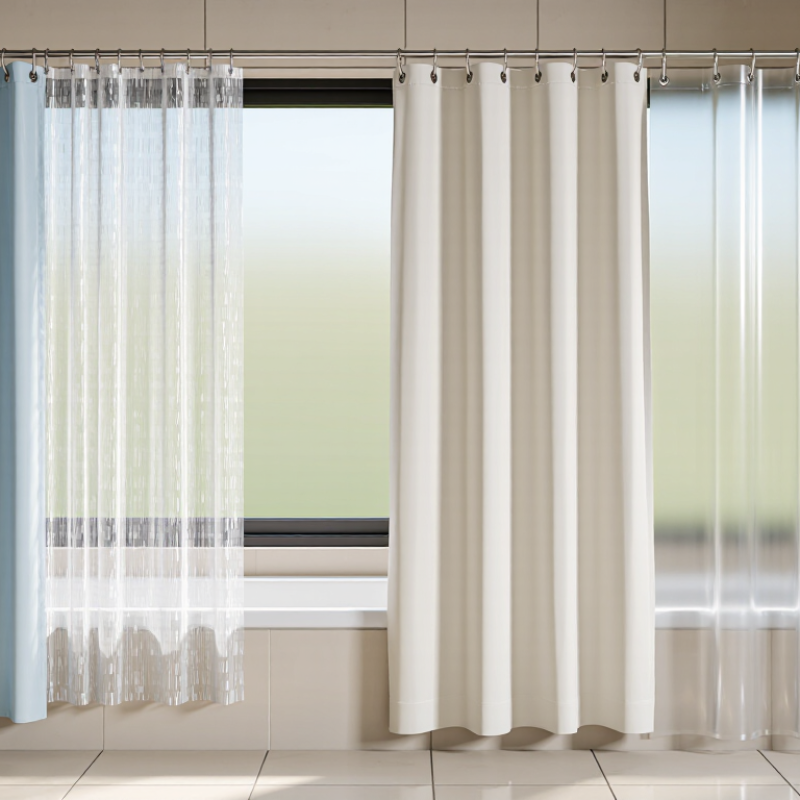
What Are the Best Types of Bath Shower Curtains?

How Bath Shower Curtains Work: Outer Panels, Liners, and Water Containment

A bath shower curtain is a simple water-control system, not a watertight wall. The liner faces the spray and hangs inside the tub; the decorative outer panel usually stays outside. This arrangement helps runoff return to the basin. Keep the liner’s lower edge inside the tub. A small gap can send water onto the floor.

The outer panel adds privacy and can soften the room’s appearance, but the liner does most of the water containment. A weighted hem may reduce billowing, though it cannot seal every edge. Not perfect. Ventilation still matters, since damp fabric dries slowly. The U.S. EPA’s WaterSense showerhead guidance sets a maximum flow of 2.0 gallons per minute for labeled models, compared with the federal maximum of 2.5 gallons per minute. Over a 10-minute shower, those rates equal 20 and 25 gallons, respectively. That calculation is not a measurement of water reaching the curtain, but it shows why keeping the liner properly positioned matters.
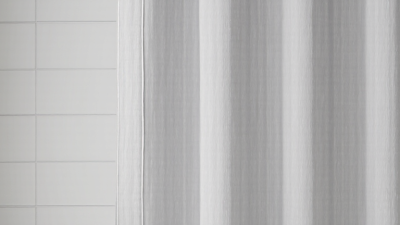
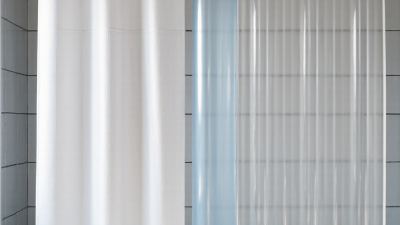
Bath Shower Curtains: Panels, Liners & Water Containment

How they work: A decorative outer panel hangs outside the tub; a water-resistant liner hangs inside to help keep spray in. Common U.S. curtain and liner sizes are about 72 × 72 inches, while alcove tubs are often about 60 inches long. Centering a 72-inch-wide panel over a 60-inch opening leaves roughly 6 inches of coverage at each end. Sizes vary, so check your measurements.

Material Types Compared: PEVA, Vinyl, Polyester, and Cotton

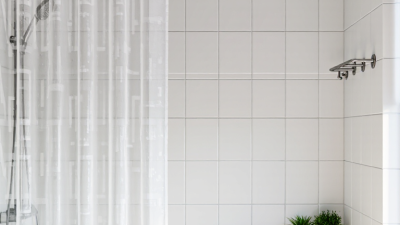
PEVA curtains are lightweight and flexible, with a smooth surface that wipes clean after a steamy shower. They contain no chlorine, unlike PVC-based vinyl, but thin PEVA can tear around the hook holes. The material may also cling to your legs when the bathroom is humid. A bit annoying.

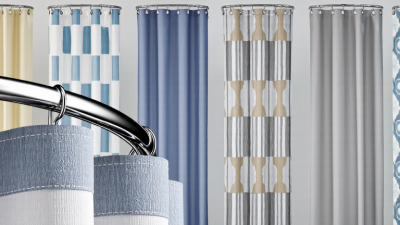
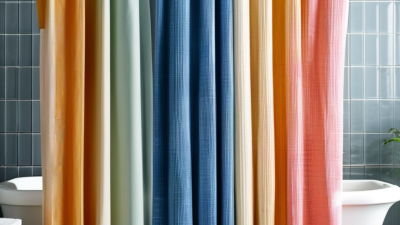
Vinyl handles splashes well and usually needs only a quick wipe. It can feel heavier than PEVA, and some new curtains have a noticeable odor that fades with airing. Polyester feels more like fabric and comes in many textures. Water-resistant finishes help it shed droplets, though they may wear down over time. Check the care label: some polyester curtains are machine-washable, while others need gentle cleaning.

Cotton has a soft, natural drape, but it absorbs water rather than keeping it out. It generally works best with a separate waterproof liner and needs room to dry between showers. Otherwise, damp folds can develop mildew or stale smells. Polyester can also stay musty if left bunched against a tub. The small care differences matter more than appearance alone, and labels do not always make them obvious.

What Are the Best Types of Bath Shower Curtains? — Material Types Compared: PEVA, Vinyl, Polyester, and Cotton

Comparison PEVA Vinyl (PVC) Polyester Cotton
Material Flexible polyethylene vinyl acetate film, commonly used for shower liners. Flexible polyvinyl chloride (PVC) film, commonly used for shower curtains and liners. Woven synthetic polyester fabric; some curtains have a water-repellent finish. Natural woven plant-based fabric; often used for decorative shower curtains.
Water handling Waterproof and non-absorbent, so it works well as a liner. Waterproof and non-absorbent, so it works well as a liner. Often sheds water when treated, but fabric may absorb moisture; a liner may be needed. Absorbs water and dries more slowly; generally works best with a separate liner.
Drying and upkeep Usually easy to wipe clean and quick to air-dry. Check the care instructions before washing. Usually easy to wipe clean and quick to air-dry. Check the care instructions before washing. Many fabric curtains are machine washable; follow the label and dry thoroughly. Often machine washable, but may shrink or wrinkle depending on the weave and care instructions.
Look and feel Smooth, lightweight, and plastic-like; commonly available in clear or translucent styles. Smooth and flexible, with a plastic-like feel; often available in clear or patterned styles. Soft, fabric-like, and available in many colors, textures, and patterns. Soft, natural-looking, and available in a range of weaves and designs.
Typical strengths Waterproof, lightweight, and generally PVC-free. Waterproof and easy to wipe down; widely available. Fabric appearance, broad design choice, and washable options. Natural-fiber feel, decorative appearance, and washable options.
Things to consider Can tear or crease, and may need replacement when worn. Formulations and additives vary. Can tear or crease. PVC formulations and additives vary; follow product care and ventilation guidance. Water repellency can diminish with use or laundering. It is not automatically waterproof. Needs more drying and is more prone to water absorption; a liner helps keep water inside the tub or shower.
Best suited for People seeking a simple waterproof liner, especially when they want a PVC-free option. People seeking a straightforward waterproof curtain or liner that can be wiped clean. People who prefer a fabric look and are comfortable following washing instructions; use a liner if needed. People who prioritize a natural-fiber look and do not mind using a liner and allowing extra drying time.

Choosing tip: For reliable water containment, use a waterproof PEVA or vinyl liner, or choose a fabric curtain with a compatible liner. Performance and care requirements vary by product, so check its label before buying or washing.

Sizing and Fit: How the Common 72 × 72-Inch Curtain Covers a Tub

A 72 × 72-inch shower curtain is a common fit for a standard bathtub, but those numbers describe the curtain laid flat. The width needs room to form soft folds and cover the tub opening when drawn closed. For a rod spanning about 60 inches, a 72-inch curtain usually provides modest fullness. A wider alcove or a curtain that bunches heavily may need more width. Check the actual rod span, not just the tub’s advertised length.

Measure from the rod to the tub rim before choosing the drop. The curtain should hang low enough to direct water into the tub, without dragging on the floor. Keep its lower edge inside the tub while showering; a few inches below the rim often works, though rod height and tub shape matter.

Small differences count. A sloped ceiling, curved rod, or unusually deep tub can change the fit. I’ve found that people often measure only the curtain and forget the hooks, which can add length. That’s an easy detail to miss. A quick check with the curtain temporarily hung can reveal gaps, a hem resting in water, or fabric that pulls too tightly across the opening.

Moisture Control: EPA’s Recommended 30–50% Indoor Humidity Range

Bathroom humidity is a moisture-control issue, not just a curtain choice. The U.S. EPA’s A Brief Guide to Mold, Moisture and Your Home recommends indoor relative humidity of 30%–50%. It advises staying below 60% when possible. This is a practical target, not a guarantee against mold. After a hot shower, steam beads on tile, mirrors, and the curtain’s lower folds. Steam travels. A small digital hygrometer near the bathroom door can show whether moisture lingers.

Ventilation matters more than curtain material alone. ASHRAE Standard 62.2-2022 lists bathroom exhaust rates of 50 cubic feet per minute for intermittent operation, or 20 for continuous operation. Run the fan while bathing and afterward. Open the curtain fully so both sides can dry. Keep the liner from pooling against the tub; trapped water can leave a musty edge. A washable fabric curtain may dry more slowly than a thin liner, depending on airflow. I would not trust one humidity reading alone: a damp corner can persist while the room meter looks normal. Check that the exhaust fan vents outdoors, too. Small details matter.

Choosing the Best Type: Water Resistance, Maintenance, and Safety

A bath shower curtain should resist splashes without staying damp for hours. Polyester is a practical choice: it dries relatively quickly and is usually machine washable, though care labels vary. PEVA wipes clean easily, but can feel less fabric-like. Cotton looks soft, yet generally needs a separate waterproof liner and careful drying. No curtain is fully maintenance-free.

For moisture control, the U.S. Environmental Protection Agency’s A Brief Guide to Mold, Moisture and Your Home recommends keeping indoor relative humidity below 60%, ideally between 30% and 50%. A bathroom fan and an open curtain after showering help moisture escape; the curtain’s material alone cannot prevent mildew. For safety, keep the hem inside the tub and check that the rod is firmly secured. A curtain is not a grab bar. Small detail, real difference.

Tips: Rinse off soap residue, spread the curtain flat to dry, and wash it as its label directs. Inspect seams and hems for tears. I would not assume a “water-resistant” label means the curtain needs no cleaning; that is an easy mistake.