Top 10 Shower Curtain Types for Every Bathroom?
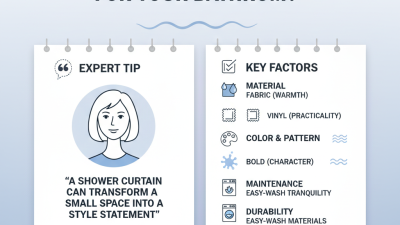
Choosing a Shower Curtain is rarely just a matter of color. It affects privacy, water control, cleaning effort, and the bathroom’s visual balance. A thin fabric panel can soften a cold, tiled room, while a weighted vinyl curtain may perform better beside a busy family shower.
Industry data supports this practical approach. Grand View Research’s Bathroom Accessories Market report identifies renovation activity, improved materials, and changing consumer preferences as important growth factors. Houzz’s 2024 U.S. Bathroom Trends Study also shows that homeowners continue investing in bathroom upgrades, especially features that improve comfort and everyday usability. These reports do not rank shower curtains directly, but they reveal a clear expectation: bathroom products must look attractive and work reliably.
Bathroom designer Kerrie Kelly offers a useful perspective: “Good design should make daily routines feel easier.” That principle guides this list. The following ten types include fabric, vinyl, PEVA, waffle-weave, extra-long, weighted, magnetic, and hotel-style options. Each has a practical purpose, but none is perfect.
Some resist splashes better. Others feel warmer and more decorative. A few demand more maintenance than their product photos suggest. I have learned that the cheapest curtain can become expensive when mildew, replacement rings, or poor sizing enter the picture. Measure the rod carefully. Check the hem. Imagine wet fabric touching the floor.
The best choice depends on ventilation, household habits, tub shape, and cleaning tolerance. Small details matter. This guide compares those details honestly, helping readers choose a Shower Curtain that suits real bathrooms, not staged showroom scenes.

Classify 10 Shower Curtain Types by Material, Structure, and Bathroom Use
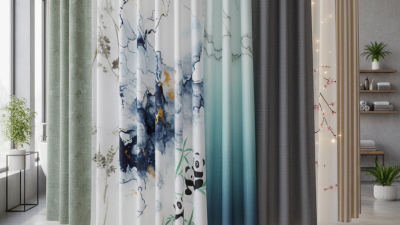
Shower curtains are easier to choose when classified by material, structure, and bathroom use. Polyester fabric is washable, lightweight, and suitable for busy family bathrooms. Cotton offers a softer, hotel-like appearance, but it dries slowly without ventilation. Linen and hemp blends feel natural, though their texture can hold moisture. PVC vinyl provides strong water resistance and low cost. PEVA or EVA liners reduce odor concerns, but they may crease easily.
Structure changes daily handling. Snap-in liners make replacement simpler. Hookless curtains reduce small hardware and suit quick-access bathrooms. Weighted-bottom curtains stay steadier near strong airflow. Magnetic-closure curtains improve splash control around tubs. Curved or extra-wide curtains create more elbow room, while extra-long curtains fit high ceilings and deeper tubs. These categories overlap. That is not always a problem.
The U.S. Environmental Protection Agency’s WaterSense guidance reports that showers account for nearly 17% of residential indoor water use, or about 40 gallons daily for an average family. A curtain that dries quickly can support cleaner routines, although it cannot replace ventilation. In practice, check the hem, liner gap, and rod height before buying. A beautiful fabric curtain can still fail when it touches the floor. That detail is easy to miss. Regular washing remains necessary, especially in humid bathrooms.
Top 10 Shower Curtain Types for Every Bathroom
Comparison of shower curtain types by material, structure, and practical bathroom use. Scores are comparative ratings based on common characteristics such as water resistance, maintenance, and suitability for different bathroom settings.
How to read the chart: Higher scores indicate stronger practical performance. PEVA and PVC curtains provide the highest water resistance, while polyester and waffle-weave curtains offer a balanced combination of appearance, washability, and everyday use.
Compare Vinyl, PEVA, Polyester, Cotton, Linen, and Hemp Using Industry Standards
Top 10 Shower Curtain Types for Every Bathroom?
A shower curtain changes how a bathroom handles water, air, and daily wear. Vinyl is highly water-resistant and easy to wipe, but it can feel stiff and may retain odors. PEVA offers a lighter, chlorine-free alternative with a softer drape. Both materials suit busy family bathrooms, especially when reinforced eyelets and weighted hems are tested for durability.
Polyester dries quickly and resists shrinking, making it a reliable choice for humid rooms. Cotton feels comfortable and washes easily, yet it absorbs water and usually needs a liner. Linen has a textured, airy appearance, though wrinkles and slow drying can become annoying. Hemp is strong and naturally coarse; it may soften after repeated washing. Blended cotton-polyester, linen blends, and woven polyester provide useful compromises between appearance, drying speed, and maintenance.
Look for published testing based on recognized ASTM or ISO methods. Check water repellency, seam strength, colorfastness, and dimensional stability. Low-odor materials matter in small bathrooms. So does ventilation.
A simple touch test helps.
I once favored natural fabric without checking drying time. That choice looked elegant but stayed damp near the tub. A curtain should hang several centimeters above the floor, with evenly spaced holes and a washable liner when needed. No material is perfect. The best choice depends on moisture, cleaning habits, window ventilation, and how much texture the room can tolerate.
Assess Water Resistance, Mold Control, Privacy, Cleaning, and Fire Safety
Top 10 Shower Curtain Types for Every Bathroom?
Choosing a shower curtain involves more than matching bathroom colors. In my experience, tightly woven polyester resists splashes well and dries faster than cotton. PEVA and vinyl offer strong water resistance, but vinyl can feel stiff and may hold odors. Cotton, linen, and hemp look warmer, yet they need careful drying. Keep it simple. A separate liner can improve protection.
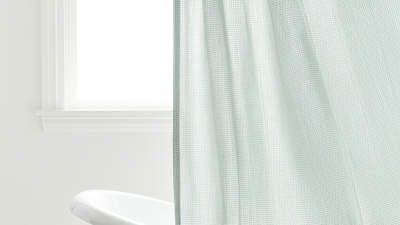
For mold control, choose a curtain with quick-drying fabric, weighted corners, and wide ventilation gaps. A waffle-textured curtain can add privacy without making a small bathroom feel dark. Hotel-style curtains usually provide fuller coverage, while transparent panels increase light but reduce privacy. Washable fabric curtains are convenient, but check the care label before using hot water. Some coatings weaken after repeated washing.
Cleaning habits matter as much as material. Spread the curtain after every shower, wipe the lower edge, and wash it before mildew spots spread. I once trusted a “mildew-resistant” claim too much; poor ventilation still caused black marks. No curtain works alone. For fire safety, avoid open flames near synthetic materials, and check whether the product has tested fire-performance information. Do not assume “fire-safe” means fireproof. Independent testing details and local safety guidance deserve attention. A slightly shorter curtain may also reduce floor contact and drying time, though it can expose more water. That trade-off is easy to overlook.
Rank the 10 Types by Cost, Durability, Sustainability, and EPA Water Data
Top 10 Shower Curtain Types for Every Bathroom
Ranked for cost, durability, sustainability, and EPA water data, fabric polyester offers the best overall balance. It is affordable, washable, quick-drying, and widely available. Hemp ranks second for strength and lower chemical processing, although its price can be high. Cotton ranks third. It feels comfortable, but it absorbs water and needs regular laundering. Linen ranks fourth, offering breathability and a natural texture, yet it wrinkles easily. Nylon ranks fifth because it dries quickly and resists tearing, though it is petroleum-based. EVA ranks sixth as a lightweight plastic option with reasonable durability. PEVA ranks seventh for low cost, but its softer surface may crease or split sooner. Recycled polyester ranks eighth. It can reduce virgin plastic use, but recycled content varies by product. A bamboo-blend curtain ranks ninth; the label can sound sustainable, while the actual fiber content may be unclear. Glass shower panels rank tenth for long service life, but installation costs and replacement impacts are substantial.
EPA does not assign water-efficiency ratings to shower curtains. The relevant comparison involves the showerhead. EPA WaterSense-labeled showerheads use no more than 2.0 gallons per minute, compared with the federal 2.5-gallon-per-minute standard. A ten-minute shower could save about five gallons. The curtain only helps indirectly by drying faster and reducing washing or replacement. I would choose washable polyester for a rental bathroom and hemp for a long-term home. This ranking is imperfect. Local water hardness, ventilation, and careless laundering can change the results. A damp curtain still smells.
Top 10 Shower Curtain Types for Every Bathroom? — Ranked by Cost, Durability, Sustainability, and EPA Water Data
How to read the table: Cost ranges represent typical U.S. consumer prices for one standard-size curtain, excluding liners, hooks, and installation. Service life assumes normal residential use, adequate bathroom ventilation, and routine cleaning. Sustainability scores are comparative material assessments based on expected longevity, reusability, cleaning needs, and end-of-life considerations; they are not official environmental certifications.
EPA water data note: The U.S. Environmental Protection Agency’s WaterSense program applies to water-using products such as showerheads, not shower curtains. A standard showerhead may use up to 2.5 gallons per minute, while a WaterSense-labeled showerhead uses no more than 2.0 gallons per minute. Therefore, changing curtain type produces no direct EPA-measured water savings; showerhead flow rate, shower duration, and household usage determine water consumption.