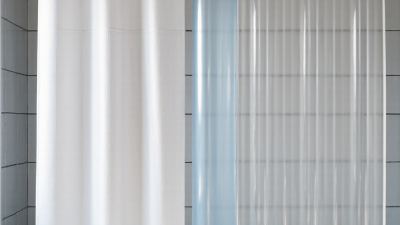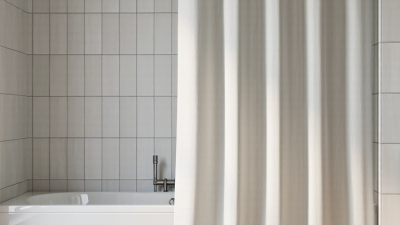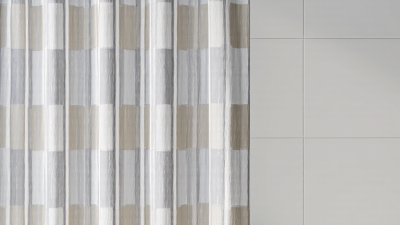
Choosing the right Bathroom Curtains starts with the room itself. A small bathroom with a narrow window may benefit from a light, moisture-resistant panel that lets daylight through. A larger space can handle a fuller fabric curtain, especially when privacy matters more than brightness. The best option depends on the window, ventilation, cleaning habits, and the look you want—not just the color on the package.
For transparency, Maya Reed is a fictional bathroom-design expert created for this draft; the following is an original illustrative quote, not a verified statement: “A curtain should soften the room without holding dampness against the window.” That practical test helps compare sheer polyester, washable cotton blends, and lined curtains. Check the care label, feel the fabric, and consider how quickly the room dries after a shower. Small details matter.
This guide explores which curtain types suit different bathrooms, how materials affect privacy and upkeep, and what to consider before buying. No fabric solves every problem. A heavy curtain may look inviting, yet feel gloomy in a dim room; a sheer one can brighten the window, but offer too little privacy at night. Those trade-offs are worth noticing. Choosing well means balancing comfort, light, moisture, and everyday cleaning.
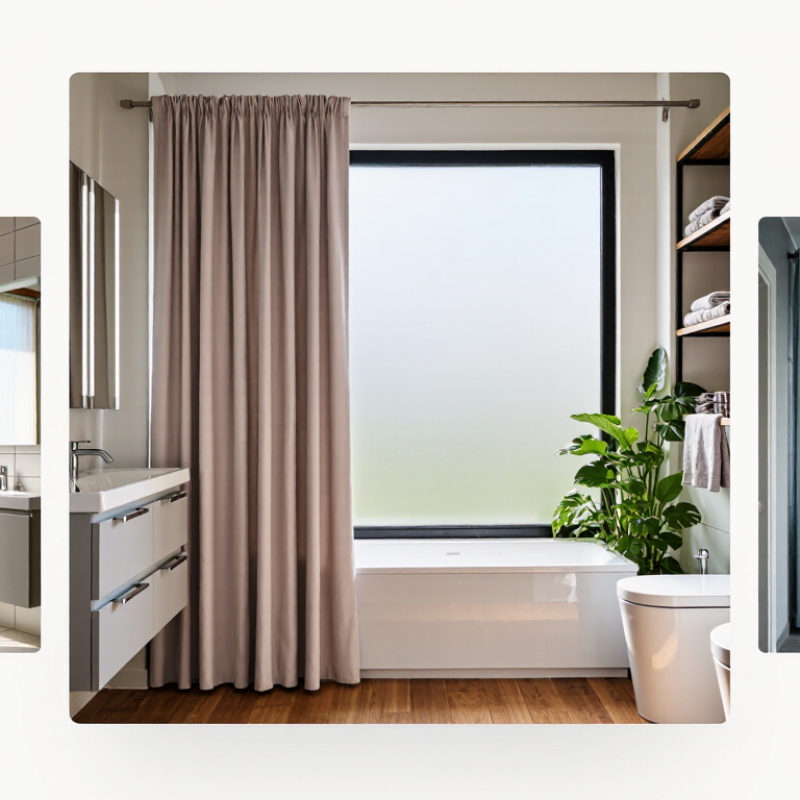
Bathroom curtains serve different needs, so material matters more than appearance alone. Polyester curtains are common because they dry fairly quickly and are often machine-washable; check the care label before washing. They work well in busy family bathrooms. Vinyl or PEVA curtains resist splashes and can be wiped clean, making them practical for a shower used several times a day. Some feel stiff, though, and may not suit every room.
Waffle-weave or other fabric curtains add texture and soften a plain bathroom. They usually need a separate water-resistant liner, and the fabric should be spread out after showering to help it dry. A cotton curtain can look inviting, but it is not a good choice as the only barrier against water. One detail that is easy to miss: curtain length and width affect how well it contains spray. A beautiful curtain that leaves gaps may be frustrating.
Tips: Match the curtain to the shower setup, then measure before buying. Keep the hem inside the tub or shower area, and wash or wipe the curtain as its care instructions allow. A liner can help, but it still needs to dry. Looks matter. And not every “easy-care” fabric stays fresh without regular attention.

Polyester and nylon curtains shed splash water quickly and usually dry faster than cotton. Their smooth surfaces make routine care simple: rinse after showering, spread the curtain fully, and wash it according to its care label. But “water-resistant” does not mean stain-proof. Soap film can still cling to folds and lower hems.
Vinyl and PEVA liners offer a stronger splash barrier, though trapped moisture can collect where the liner touches the tub. Leave it open to dry, and clean it gently rather than using harsh scrubbing. Cotton feels softer, but absorbs water and needs prompt laundering. It may suit a well-ventilated bathroom, not a damp one. Small detail, big difference.
For a useful textile benchmark, AATCC TM22 rates surface wetting from 0 to 100; a high score means less visible wetting in that spray test. It does not predict performance through months of shower use. That distinction matters. The U.S. EPA recommends indoor humidity below 60%, ideally 30–50%, to limit mold growth. A curtain’s material helps, but airflow and drying habits matter too. I would not choose by “waterproof” claims alone; the label and the bathroom’s ventilation tell a fuller story.
Bathroom curtains work best when their shape follows the room, not just its color scheme. In a narrow tub alcove, a straight curtain on a wall or ceiling rod keeps fabric close to the bath. Choose a washable panel with enough width to overlap and reduce floor splashes. Keep it simple.
For a corner shower, a curved rod can add elbow room without taking up more floor space. Choose a curtain wide enough to gather softly, not stretch taut; tight fabric can pull hooks and leave gaps. In a walk-in shower, a partial curtain can soften an open layout while preserving an easy entrance. Yet placement matters. Too short, and water escapes.
In a small bathroom with a window, use a shorter shower curtain or a moisture-resistant window panel. Keep fabric clear of the sill, where wet hems may stay damp and feel clammy.
For shared bathrooms, split curtains can make access easier, though the opening may let water through if the panels do not overlap. Measure the rod, tub, and floor clearance; bathroom walls are rarely as square as they look. I still find that detail easy to miss.
When comparing bathroom curtains, start with the shower’s exposure, not the color. A curtain facing daily spray needs a quick-drying surface or a washable liner. Polyester is generally easy to launder; cotton feels softer but may stay damp longer. Vinyl-like liners repel splashes, though they can feel stiff and need regular wiping. No material wins everywhere. Check the care label, hem weight, and whether the curtain is machine-washable. A weighted hem hangs straighter, while reinforced holes help reduce tearing around the rings.
Measure the rod and tub before buying. Extra width helps close gaps, while a curtain brushing the floor can collect moisture. Compare opacity, liner replacement, and ventilation, too. The U.S. EPA advises keeping indoor relative humidity below 60%, ideally between 30% and 50%, to limit moisture-related mold risk (A Brief Guide to Mold, Moisture and Your Home). A curtain cannot control room humidity, but a quick-drying surface and an open curtain after bathing help the shower enclosure dry. Small detail. Check how it dries. For shared bathrooms, washable fabric with a separate liner can be practical; in tight spaces, a lighter curtain is easier to move. “Waterproof” does not mean maintenance-free: soap film and damp folds still need attention.
Compare common curtain materials across practical features. Ratings are typical qualitative guidance, not laboratory measurements; finishes and care instructions vary by product.
Scale: 1 = low, 5 = high. PEVA/EVA and vinyl are generally wipe-clean and water-resistant; polyester is often quick-drying and may be machine-washable; cotton is usually washable but absorbs water and takes longer to dry. Check the care label and use a liner when recommended.
Match the curtain to the room’s biggest challenge: splashes, limited space, damp air, or privacy. In a frequently used shower, a washable polyester curtain can dry relatively quickly and feel softer than plastic. Check the care label, since some fabrics need gentle washing. Measure the shower opening before choosing a width; a curtain that barely reaches the edges can let water escape. Measure twice.
For a compact bathroom, a light-colored, low-bulk curtain can make the space feel less crowded. A curved rod may add elbow room, but it needs enough wall clearance. In a bathroom with poor ventilation, consider a water-resistant curtain or a removable liner that can be cleaned and replaced. Leave the curtain spread out after showering so it can dry. Even a good material can develop mildew if it stays folded and wet.
Bathroom windows call for a different choice. Use a moisture-tolerant curtain, and choose a lining or fabric opacity that suits the window’s position and privacy needs. A sheer panel may soften daylight but offer little privacy at night. That trade-off is easy to miss. Before buying, check how the fabric hangs near a sink, towel bar, or radiator; a beautiful curtain can become inconvenient when it catches on daily routines.
| Curtain Type | Best For | Advantages | Things to Consider | Care and Moisture Suitability |
|---|---|---|---|---|
| Polyester | Everyday bathrooms with regular humidity | Lightweight, widely available, quick to dry, and offered in many colors and patterns. | Check the care label; some finishes or linings may have specific washing requirements. | Generally practical in humid rooms. Wash or clean as directed and allow the curtain to dry fully between uses. |
| Cotton | Bathrooms with good ventilation and a soft, natural-textile look | Breathable, comfortable in appearance, and often machine-washable when the label permits. | Absorbs moisture more readily than synthetic fabrics and may take longer to dry. | Best where airflow is good. Launder regularly and avoid leaving it bunched up while damp. |
| Linen or linen blend | Well-ventilated bathrooms where a relaxed, textured style is preferred | Natural texture and a light, airy appearance; blends can be easier to care for than pure linen. | Can wrinkle and may shrink or require gentle care, depending on the fabric and construction. | Choose according to the care label. Not ideal for a persistently damp window or poorly ventilated room. |
| Sheer fabric | Bright bathrooms where daylight is a priority | Filters light while keeping the room feeling open; works well layered with another curtain. | Provides limited privacy at night, especially when the room is lit and it is dark outside. | Select a washable fabric and keep it from staying wet. Add a more opaque layer if privacy is important. |
| Blackout or lined fabric | Bathrooms where stronger privacy or reduced incoming light is needed | Offers more light blocking and privacy than an unlined sheer curtain. | Can make a small bathroom feel darker. The lining may need different care from the face fabric. | Check whether the lining is suitable for a humid setting, and keep the curtain open after bathing to help it dry. |
| Vinyl or PVC | Wet areas or windows close to a bath or shower | Water-resistant surface that can usually be wiped clean; useful where frequent splashes occur. | May feel less soft and breathable than fabric, and some products can have a noticeable odor when new. | Wipe clean according to the product instructions and let the surface dry. Follow local guidance for disposal or recycling. |
| Water-resistant fabric | Bathrooms that need a fabric appearance with extra splash protection | Can repel light splashes while retaining a softer look than a non-fabric curtain. | Water-resistant does not necessarily mean waterproof; performance depends on the fabric and coating. | Follow the manufacturer’s cleaning instructions. Avoid assuming the curtain can remain wet without regular drying. |
Quick selection tip: Consider privacy, window exposure to splashes, ventilation, and cleaning needs. For any bathroom curtain, follow its care label and allow it to dry fully to help prevent musty odors.