China Top 10 Shower Curtain Manufacturers for Global Buyers?
China’s shower curtain industry serves buyers seeking varied designs, flexible production, and competitive sourcing options. Yet a polished product photo reveals little about the factory behind it. Fabric weight, coating consistency, seam strength, and printed colors can differ between samples and bulk orders. Small details matter.
This guide introduces ten Chinese Shower Curtain manufacturers for global buyers, with practical comparison points rather than unsupported promises. It considers product range, materials, customization, manufacturing capacity, communication, and quality-control practices. These factors can help retailers, distributors, and hospitality buyers narrow their search. Not every supplier suits every project.
A low quotation may exclude packaging, testing, or customization costs. Ask for current product specifications, sample options, lead-time estimates, and relevant quality documents. Confirm how the supplier handles color approval and defects before placing a large order. Requirements vary by destination and product type, so buyers should verify applicable standards independently. A supplier’s website is a starting point, not proof of performance.
The companies in a top-ten list should be treated as candidates for further review, not as a guaranteed ranking of quality. Factory capabilities change. Details deserve a second look. Comparing written quotations and physical samples can reveal differences that sales claims miss. With careful checks, buyers can make a more informed shortlist and avoid choosing on price alone.

Overview of China’s Shower Curtain Manufacturing Industry
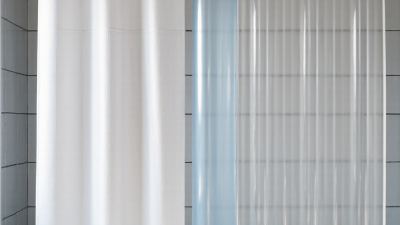
China’s shower curtain manufacturing industry serves both domestic demand and overseas buyers. Production ranges from cutting and sewing to printing, coating, and final inspection. Common materials include polyester, PEVA, and other plastic films, each offering different weights, textures, and care requirements. A curtain’s feel can be judged by handling a sample, not by a product photo alone.
Factories may manage several steps in-house, while others rely on outside suppliers for printing, hooks, or packaging. This affects lead times and consistency. Ask how measurements are checked, how print colors are compared with approved samples, and whether packaging is tested for moisture during transit. Small details matter. A few millimeters can change how a curtain hangs.
Manufacturing capacity varies widely, so buyers should compare specifications rather than rely on broad claims about scale. Request material details, sample approval records, and clear production schedules. Check stitching at the top edge and inspect eyelets for rough surfaces. These checks are practical, not foolproof. Supplier information can also be incomplete, and a sample may not reveal every production issue. Build time for follow-up questions before confirming an order.
How to Evaluate Shower Curtain Manufacturers in China
Evaluating a shower curtain manufacturer in China starts with the product, not the catalog. Ask for a sample made with the same fabric, coating, and hem construction planned for production. Check the surface under bright light, tug gently at the grommets, and measure the panel after hanging it for a day. Small defects matter. A neat photo cannot show odor, stiffness, or uneven stitching. Request material specifications, color tolerance, and written inspection criteria; vague answers make later disagreements harder. Keep records.
Then examine process control and communication. Ask how incoming fabric is checked, how defects are recorded, and who approves a production change. A capable supplier should explain lead times, minimum order quantities, packaging options, and what happens when an inspection fails. Request recent, relevant audit or test documents, and verify that the issuing body and scope match the product. Do not rely on certificates alone. Compare quotations line by line, including sample fees, carton dimensions, and replacement terms. Reply speed helps, but it is not proof of reliability. Pilot orders can reveal issues that polished meetings miss. Even a careful checklist has blind spots; review the first shipment and adjust your criteria.
Materials, Designs, and Customization Options
For global buyers, material choice shapes a shower curtain’s feel, care needs, and useful life. Polyester is lightweight and suits printed designs, while PEVA offers a smooth, water-resistant surface. Cotton blends can feel softer, but may need more careful drying. Check fabric weight, seam finishing, and rust-resistant eyelets rather than judging from photos alone. A sample can look different under bathroom lighting.
Tips: Request samples in the intended color and thickness. Confirm finished dimensions, hem allowance, print placement, and care instructions in writing. Ask how colorfastness and water resistance are checked. Small details matter.
Design options may include solid colors, textured weaves, repeated patterns, or custom artwork. Suppliers can often adjust dimensions, header styles, packaging, and labels to suit a buyer’s market. Share artwork files, color references, and target measurements early; vague briefs can lead to avoidable revisions. There is a trade-off between a distinctive print and a stable color match, so approve a production sample when consistency matters. Customization can add time or cost, and the exact impact depends on materials and order specifications.
Export, Quality, and Sourcing Considerations for Global Buyers
Choosing among China’s top shower curtain manufacturers takes more than comparing unit prices. Ask whether a factory produces curtains in-house or relies on subcontractors. This affects lead times, consistency, and how quickly problems can be traced. Request recent samples in the exact material, thickness, and finish you plan to order. Small details matter. Check seam alignment, grommet spacing, hem weight, and dimensions against your specification.
For export sourcing, confirm carton markings, packing quantities, and shipping schedules before approving production. Ask for written inspection criteria and records from pre-shipment checks. A practical review can include water repellency, color transfer after washing, and grommet pull strength. These tests help, but they do not guarantee every item in a large batch will match the sample. Independent inspection may be useful when order volumes are high or specifications are strict. Keep approved samples and signed specifications for comparison.
Tips: Ask for a material declaration, production timeline, and sample approval process. Request clear photos of packed cartons and product labels. Clarify who handles defects, replacement costs, and delivery delays in the purchase terms. Check details twice; a small packaging assumption can become an expensive sourcing mistake.