Choosing the right Floral Shower Curtain can change the feel of a bathroom without a full renovation. For 2026, standout options pair appealing floral prints with practical details, such as washable fabric, reinforced buttonholes, and dimensions that suit standard tubs. The best fit depends on more than the pattern. A large tropical print may brighten a small room, while delicate wildflowers can feel calmer against pale tile. Looks matter. So does daily use.
This guide compares floral shower curtains by design, material, care instructions, size, and value, rather than relying on appearance alone. Product specifications and care labels are worth checking, since fabric weight, color, and print quality can vary between listings. A curtain that looks crisp in a product photo may feel different in a dim bathroom. That is a real limitation. We also consider whether a liner is included or sold separately, and how easily each style might coordinate with towels and bath mats. No single curtain suits every home. Use these recommendations as a practical starting point, then confirm measurements and washing requirements before buying.
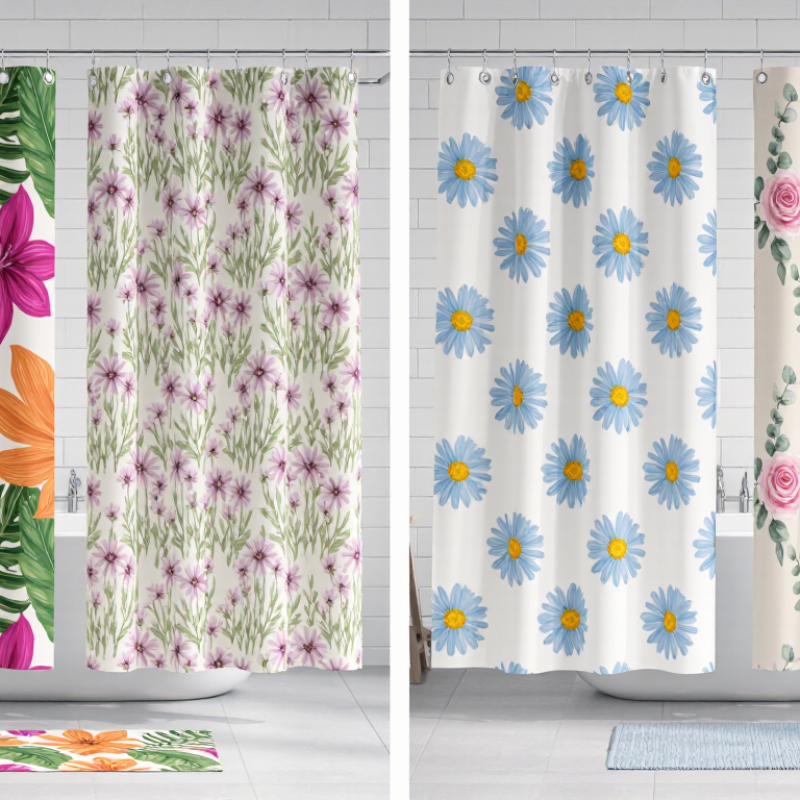
A top floral shower curtain in 2026 should balance a clear design with everyday performance. Look for flowers that suit the room’s scale: small, repeated blooms can soften a compact bathroom, while oversized leaves or petals need more visual space. Color matters in real light. A muted botanical print may appear gray beside cool tiles, so compare it against the wall before buying. Details matter. Check the stated width and length, reinforced top holes, and whether the fabric can be machine-washed. A liner may still be needed; “water-resistant” does not always mean fully waterproof.
Durability is part of good design, not an extra. A curtain should dry between showers, resist routine splashes, and avoid care instructions that feel unrealistic for a busy household. Houzz’s 2024 U.S. Houzz & Home Study reported that 54% of surveyed homeowners renovated in 2023. That figure covers home renovations broadly, not shower curtains, but it shows why practical, lasting choices matter during home updates. Still, taste is personal. A print that looks gentle on a screen can feel crowded under bright bathroom lights. Requesting a fabric sample, when available, is a small step that can prevent an expensive-looking mistake.
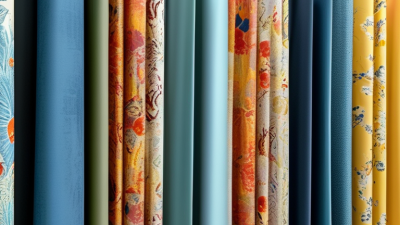
For 2026, floral shower curtains range from airy watercolor stems to dense, oversized blooms. Small ditsy prints soften a compact bathroom; large flowers create a clear focal point, especially against plain tile. Muted sage, dusty rose, and cream feel calm, while deep green and rust make the pattern more dramatic. Scale matters. A curtain can look lively online but crowded in a small room, so compare the motif size with your tile and towels before choosing.
Pinterest’s 2025 Predicts report recorded a 215% rise in searches for “eclectic maximalism,” suggesting interest in layered, expressive interiors. That trend makes painterly florals and mixed botanical motifs feel timely, though it does not measure shower-curtain sales. Grand View Research valued the global home décor market at $696.4 billion in 2023; that broad figure signals a large décor category, not proof that floral prints lead it. Not always. In practice, a busy curtain can compete with patterned flooring. Choose one dominant print, then keep nearby surfaces quieter—or accept a little visual tension if that is the look you want.
For 2026, floral shower curtains deserve a closer look at fabric, seams, and hanging hardware—not just the print. Textile Exchange’s 2024 Materials Market Report estimates that global fiber production reached 124 million tonnes in 2023, with polyester accounting for 57 percent. That figure reflects broad textile production, not shower-curtain sales, but it helps explain why polyester is common. It is lightweight and often machine-washable; check the care label, since finishes and construction vary. Cotton can feel softer, but may take longer to dry. PEVA liners are another option, though the curtain itself still needs enough weight to hang smoothly. Small details matter.
Look for reinforced buttonholes or rust-resistant metal eyelets, evenly stitched side hems, and a weighted bottom edge. These features help limit sagging and billowing, though they cannot fix poor fit. Measure the rod and tub before buying: a curtain that barely reaches the floor may let splashes escape, while excess fabric can puddle. A separate liner can make cleaning easier and protect decorative fabric from constant moisture. Keep the bathroom ventilated, and follow washing instructions rather than assuming every curtain can handle hot water. One caveat: “water-resistant” does not mean mildew-proof. Even a well-made curtain needs regular drying.
For 2026, the best floral shower curtain is not just the prettiest one. It should fit your tub, dry without fuss, and handle daily splashes. Measure the rod width and the distance from rod to tub before shopping. A standard size may look generous online but hang too short in a tall bathroom. Check the listed dimensions, and allow a little overlap at the sides. Measure twice. Large blooms can make a small bathroom feel busy, while a fine, spaced pattern often looks calmer.
Care labels matter as much as the print. Polyester is usually easy to wash and dries quickly; cotton can feel softer but may need more attention to prevent shrinking or mildew. Check whether the curtain is machine washable and whether it needs a separate liner. Water resistance varies: some fabric curtains shed droplets, while others absorb them and take longer to dry. Look for clear care and material details, not vague claims. A small detail, big difference.
Also consider the bottom edge and hanging holes. Reinforced holes are less likely to tear, and a weighted hem can help the curtain stay in place. I would not assume “water-resistant” means waterproof; the wording can be easy to overread. Let the curtain spread out after showers, and wash it as directed. Even a lovely floral print loses appeal if it stays damp. There is no perfect fabric for every bathroom, so weigh appearance against drying time and upkeep.
Compare these common floral curtain styles by typical dimensions, material, care considerations, and suitability for keeping shower spray contained.
| Floral Curtain Style | Typical Size Options | Common Material | Water Resistance | Care Considerations | Best Fit |
|---|---|---|---|---|---|
| Small-scale botanical print | 72 × 72 in; some extra-long options are 72 × 84 in | Polyester fabric | Often water-repellent when treated; a separate liner can help contain spray. | Some polyester curtains are machine washable. Check the sewn-in care label and dry fully before rehanging. | Standard tubs and showers where a subtle floral pattern is preferred. |
| Large watercolor blooms | 72 × 72 in; wider options may be available for larger openings | Polyester fabric | Varies by fabric finish and construction; use a liner if the curtain is not specified as water-resistant. | Follow the care label; avoid assuming every printed fabric is suitable for hot washing or tumble drying. | Bathrooms where a prominent floral design is the main decorative feature. |
| Vintage rose pattern | Commonly 72 × 72 in; extra-long versions may measure 72 × 84 in | Polyester or cotton-blend fabric | Fabric curtains may not be fully waterproof; a liner is generally useful in a shower. | Care depends on fiber blend and print. Check the label before washing to help protect color and shape. | Decorative bathrooms where a softer, traditional look is desired. |
| Tropical leaf-and-flower print | Often 72 × 72 in; confirm width and length against the shower area | Polyester fabric or PEVA | Polyester performance varies; PEVA is a water-resistant plastic material commonly used for shower liners and curtains. | Fabric care varies. PEVA is generally cleaned by wiping rather than machine washing; follow product instructions. | Shower areas where easy surface cleaning or a bold botanical look is a priority. |
| Embroidered floral fabric | Usually sold in standard widths; measure before choosing a length | Cotton or cotton-blend fabric | Cotton absorbs water more readily than plastic materials, so pair it with a suitable liner. | Embellishments may need gentler washing or air drying. Use the care label as the deciding guide. | Bathrooms where texture and decorative detail matter more than quick-drying performance. |
Buying tip: Measure the shower opening and the distance from the rod to the tub or floor before ordering. Sizes and care instructions vary by product, so verify the listed dimensions, material, and label guidance; water resistance does not necessarily mean a curtain is fully waterproof.
For 2026, match a floral shower curtain to the bathroom’s existing colors, not just its trendiest accent. In a small room, a white or pale-sage background with tiny blue blossoms can keep the space feeling open. Larger blooms suit rooms with quieter walls and simple towels. Repeat one flower color in a bath mat or soap dish; repeating every shade can feel overly coordinated. It happens.
Consider the room’s finishes, too. Warm brass pairs naturally with cream, peach, and muted rust. Chrome and cool gray work well with blue or lavender prints. If the tile already has strong veining or pattern, choose a curtain with more open space between flowers. Check the care label and use a washable fabric curtain with a separate liner where needed. Bathroom humidity is practical, not decorative.
Tips: Hold a curtain swatch beside the tile in daylight and under the bathroom light. The colors can shift. The Global Wellness Institute’s 2024 Global Wellness Economy Monitor valued the wellness economy at $6.3 trillion in 2023. That figure is not a bathroom-design survey, but it reflects broad interest in well-being; a calm, coordinated palette can support that feeling without making a curtain do too much.