Leave Your Message
Choosing the right Fabric Shower Curtain is about more than matching towels or paint. It hangs in a damp, busy space, where water, soap, and daily handling test its fabric and construction. A curtain that looks soft in a product photo may feel stiff at home, cling to your legs, or take too long to dry. Small details matter: the weave, weight, lining, hems, and the spacing of its grommets. So does care. A curtain that needs special handling may not suit a household with limited time.
For this guide, textile-care specialist Claire Morgan is a fictional expert persona, not a cited industry source. Her guiding line is an original editorial principle: “Choose for the bathroom you use, not the showroom you imagine.” It captures the practical questions behind these seven tips: Which fabric fits your moisture levels? How should you judge opacity and drape? Does the curtain need a liner? Are the seams and top edge sturdy? Can you wash it without fuss? Will its size cover the tub without dragging? And does the price reflect lasting quality? No single answer fits every bathroom. Even a well-made curtain can develop mildew if it stays bunched and wet. This guide weighs useful features alongside those ordinary limitations, so you can choose with clearer expectations.
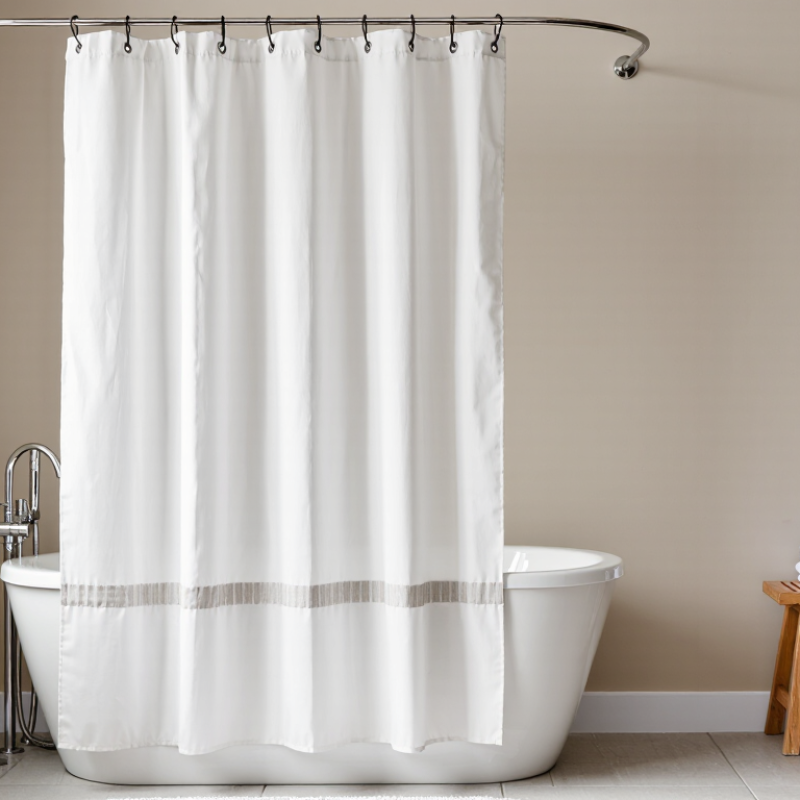
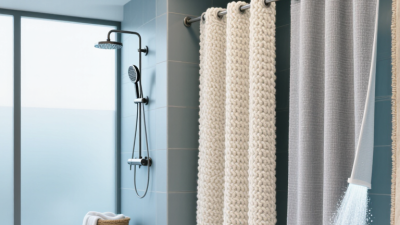
Fabric shower curtains bring a softer look than rigid plastic and are often easy to remove for washing. Their woven surface can hang in gentle folds, while a separate liner helps keep direct spray away from the fabric. Check care instructions before buying; some curtains tolerate machine washing, while others need gentle cleaning. Fabric is not automatically mold-proof. Bathrooms stay damp, and curtains need airflow to dry.
The U.S. Environmental Protection Agency’s 2018 Advancing Sustainable Materials Management report estimated that textiles made up 17 million tons, or 5.8%, of U.S. municipal solid waste. That figure covers many textile products, not shower curtains alone. It is a useful reminder to consider how long an item may serve before replacing it.
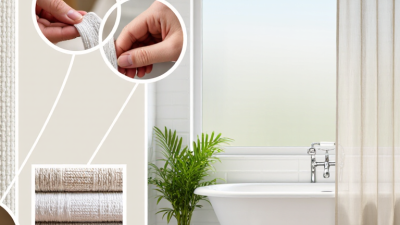
Tip: Feel the fabric and inspect its stitching. A tightly woven curtain with reinforced top holes may handle frequent movement better than a thin, loose weave. Measure your shower area, too; a curtain that drags on the floor can stay wet.
Tip: Choose a washable curtain if regular laundering suits your routine. Spread it open after showering, and let the bathroom ventilate. Small habit, real difference. Still, fabric care takes effort, and I would not assume every fabric curtain lasts longer without checking its construction and care label.
| Tip | What to Check | Practical Guidance | Why It Matters |
|---|---|---|---|
| 1. Choose a suitable fabric | Fiber content, such as polyester or cotton | Polyester is generally quick-drying and easy to care for. Cotton is absorbent and has a soft, natural feel, but may take longer to dry. | Fabric affects drying time, feel, upkeep, and how the curtain hangs. |
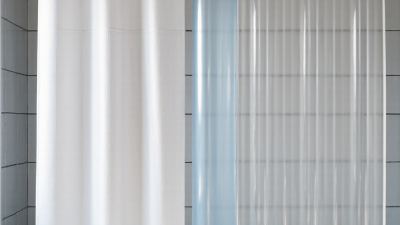
| 2. Check whether a liner is needed | Water resistance and the product’s care instructions | Many fabric curtains are not fully waterproof. Use a compatible liner if the curtain’s instructions recommend one or if you need extra splash protection. | A liner can help keep water inside the tub or shower and protect the outer curtain. |
| 3. Measure before buying | Curtain width, length, and shower opening | Measure the rod and the distance from the rod to the desired hem. Allow enough width for the curtain to gather without leaving large gaps. | A well-sized curtain provides better coverage and is less likely to trail on the floor. |
| 4. Consider fabric weight and drape | How the material hangs and moves | A heavier-feeling curtain may hang more steadily, while a lighter one is easier to move. Product weight and thickness vary, so check the item details when available. | Drape influences the curtain’s appearance and how easy it is to open and close. |
| 5. Review washing and care requirements | Machine-wash instructions, drying method, and temperature limits | Follow the care label. If machine washing is permitted, remove hooks first and use the recommended cycle and drying method. | Easy-to-follow care instructions make routine cleaning simpler and help avoid fabric damage. |
| 6. Inspect the construction | Top hem, seams, and hole or grommet reinforcement | Look for even stitching and reinforced hanging points, especially if the curtain will be opened and closed frequently. | Secure construction can help the curtain withstand regular handling. |
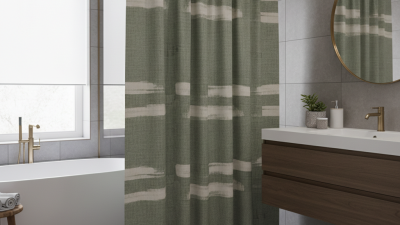
| 7. Match the design to the bathroom | Color, pattern, opacity, and room lighting | Choose a color and pattern that work with existing towels and fixtures. Consider how the fabric’s opacity affects privacy and light. | A coordinated choice can make the bathroom feel more cohesive while meeting practical needs. |