2026 Best Shower Curtain Styles for Global Buyers?
Choosing the right shower curtain can transform your bathroom. In 2026, various styles emerge to cater to global tastes. These curtains blend functionality with aesthetics, enhancing your space.
Shower curtains come in an array of materials. From fabric to vinyl, the choices can be overwhelming. Color and pattern are also crucial. A bold design can serve as a focal point in a neutral bathroom. On the other hand, a subtle design can promote serenity.
Yet, selecting the ideal curtain often proves challenging. Consider durability and ease of cleaning. A beautiful curtain may not withstand moisture well. Reflect on how your choice affects the overall ambiance. An informed decision matters. The right shower curtain can elevate your bathroom experience.
2026 Shower Curtain Trends: Color Palettes and Patterns to Consider
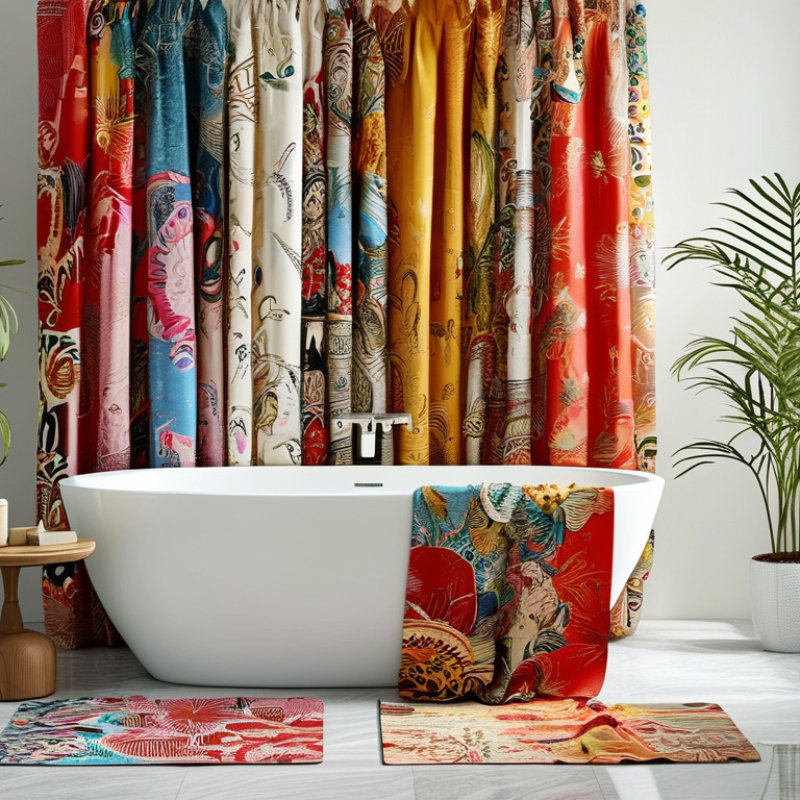
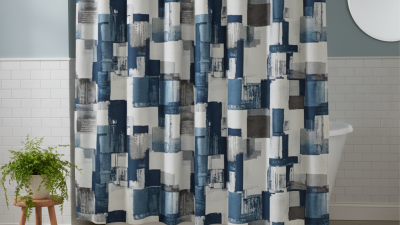
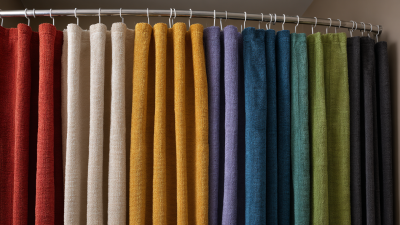
In 2026, shower curtain trends are shifting toward vibrant colors and unique patterns. Industry reports suggest that bright hues will dominate, with colors like deep teal and sunny yellow gaining popularity. These shades can evoke feelings of warmth and happiness, transforming bathrooms into inviting retreats.
Patterns are becoming more diverse as well. Geometric designs and botanical prints are trending, appealing to a wide range of consumer preferences. A recent study indicated that 45% of buyers prefer dynamic patterns that showcase individuality. This shift allows for personal expression in a space that often goes overlooked.
However, there is a subtle concern about overconsumption in this industry. Many consumers may feel pressured to purchase new designs yearly, leading to waste. Reflecting on personal choices can promote more thoughtful buying habits. By considering sustainability alongside aesthetics, buyers can enjoy stylish shower curtains without contributing to environmental issues.
2026 Best Shower Curtain Styles for Global Buyers
| Style |
Color Palette |
Pattern Type |
Material |
Popularity |
| Minimalist |
White, Gray |
Solid |
Cotton Blend |
High |
| Bohemian |
Earth Tones |
Geometric |
Polyester |
Medium |
| Vintage |
Pastel Colors |
Floral |
Vinyl |
Low |
| Modern |
Black, White |
Abstract |
Nylon |
High |
| Retro |
Bright Colors |
Graphic |
Cotton |
Medium |
Eco-Friendly Materials: Sustainable Shower Curtains for Modern Bathrooms
In recent years, eco-friendly materials have gained popularity in bathroom decor. Sustainable shower curtains are now more accessible than ever. These curtains not only help reduce environmental impact but also add a touch of sophistication to modern bathrooms. Natural fibers, like organic cotton and hemp, are commonly used. They are biodegradable and often free from harmful chemicals.
Choosing a sustainable shower curtain can be confusing. Many products claim to be eco-friendly, yet lack clear certifications. Look for organic materials that are certified by reputable organizations. Bamboo is another great option. It is fast-growing and naturally resistant to moisture. However, not all bamboo products are treated well during manufacturing. This may affect their durability and safety.
It's crucial to consider maintenance as well. Some eco-friendly curtains require special care to ensure longevity. Regular washing can preserve their quality but may lead to fading or wear over time. Buyers should weigh these factors carefully before making decisions. With more options available, there’s a learning curve to select the best choice for your home.
The Role of Fabric Types in Shower Curtain Durability and Maintenance
Choosing the right fabric for shower curtains significantly impacts their durability and maintenance. Common materials include polyester, cotton, and vinyl. Each has unique properties that cater to different buyer preferences and bathroom environments. However, not all fabrics are created equal.
For instance, polyester is popular due to its resistance to mold and mildew. According to industry reports, over 70% of consumers prefer polyester for its ease of care. On the other hand, cotton offers a more natural look but often requires more maintenance. Studies reveal that cotton curtains can retain moisture, leading to quicker wear and tear if not properly cared for.
Vinyl shower curtains are easy to wipe clean and provide an affordable option. Yet, some buyers find vinyl less appealing due to its plastic texture. A notable statistic shows that approximately 40% of users switch from vinyl to fabric for aesthetic reasons. Each material's trade-offs illustrate that comfort and durability often come at a price. Buyers need to weigh these factors carefully to make an informed choice.
Customization Options: Personalized Shower Curtains for Unique Spaces
Personalized shower curtains can transform any bathroom into a unique sanctuary. Custom options allow buyers to choose colors, patterns, and sizes that fit their specific needs. Imagine a curtain that showcases your favorite art or embodies your travel memories. It brings a sense of joy and ownership to a space that is often overlooked.
However, customization comes with its challenges. Not all customization options guarantee high quality. For example, some materials may not hold up well after multiple washes. Potential buyers should request samples when available. Additionally, understanding proper care instructions is crucial. A beautiful curtain can lose its charm if it isn't maintained.
Designing a personalized shower curtain can also be an exercise in patience. It involves collaborating closely with designers or suppliers. Some may not fully understand your vision, leading to dissatisfaction. It’s essential to provide clear examples and communicate effectively for the best results. Ultimately, the right customization can create a shower curtain that is both functional and a true reflection of your personality.
2026 Best Shower Curtain Styles for Global Buyers
Market Insights: Analysis of Global Shower Curtain Sales and Preferences
The global shower curtain market is experiencing notable shifts in consumer preferences. Recent reports indicate that the market reached approximately $1.5 billion in 2022 and is expected to grow at a CAGR of 4.5% through 2026. This growth suggests a rising interest in enhanced bathroom aesthetics and functionalities.
Sustainability is becoming a critical factor for buyers. A survey revealed that over 40% of consumers prefer eco-friendly materials in their shower curtains. Most prioritize safety and water resistance. Visual appeal remains essential, influencing choices in color and design. According to experts, sheer and patterned curtains are favored across various demographics.
Despite these trends, many buyers remain unaware of care and durability issues. The risk of mold and mildew can lead to dissatisfaction. Additionally, some curtains may not fit standard sizes, causing logistical headaches during installation. Understanding these complexities can empower consumers to make more informed decisions.