2026 Top Tablecloth Sizing Guide for Global Buyers
Choosing the right tablecloth looks simple until measurements meet real dining spaces. A 180 × 300 cm cloth may fit a banquet table, yet laundering, fabric shrinkage, and uneven edges can change the result. Global buyers also face different table heights, measurement units, fabric weights, and regional expectations for table overhang.
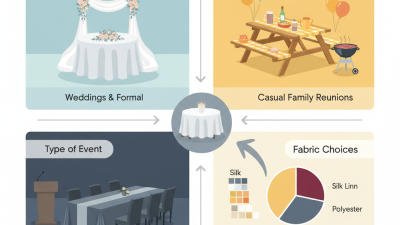
Alexandra Stoddard, a respected author and table-setting authority, has said, “A beautiful table is a gift to your family and friends.” That idea gives Tablecloth Sizing a practical purpose. The cloth must protect the surface, frame the place settings, and fall naturally without trapping guests’ knees. For formal dining, a 25–30 cm drop often looks balanced. Hospitality venues may prefer longer drops for a more polished appearance. Casual buyers may need less fabric for easier movement.
This guide examines round, square, rectangular, and banquet tables. It explains how to convert inches into centimeters, account for laundering, and choose a suitable drop length. It also considers fabric behavior. Linen can relax after washing. Cotton blends may shrink unevenly. Some coated materials barely move at all.
Small errors remain possible. Tables are rarely perfectly level. Room photographs can hide chair clearance. That is where judgment matters. Measure the tabletop, confirm the finished size, and check the supplier’s tolerance before ordering. No chart solves every case. Good Tablecloth Sizing combines calculation with experience, careful product information, and a final visual check.
Tablecloth Sizing Basics for Different Table Shapes and Uses
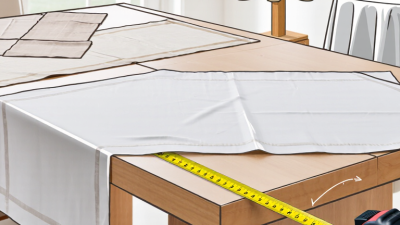
Choosing tablecloth size starts with table dimensions, not guesswork. Measure length, width, and diameter at the tabletop’s widest points. For rectangular tables, add twice the preferred drop to both length and width. A 72-by-30-inch table with a 10-inch drop needs a 92-by-50-inch cloth. Round tables need the same drop added to the diameter. An 84-inch round table with a 12-inch drop requires a 108-inch cloth. The math is simple. Measuring is not always perfect.
Drop length should match the setting. For daily dining, 6 to 10 inches keeps fabric away from knees and chair wheels. Formal meals often use a 12-to-15-inch drop, creating a softer edge. Floor-length cloths suit weddings, banquets, and display tables, but they can catch shoes. For square tables, measure one side and add twice the drop. Oval tops deserve extra care because their curved ends can expose corners. Lay a paper tape guide across the tabletop when possible.
Use matters as much as shape. Outdoor tables may need a shorter drop because wind lifts loose fabric. Buffet tables usually benefit from a longer front drop and a shorter back edge. For fitted covers, compare the table’s exact height with the finished dimensions. Washable fabrics may shrink, so check care instructions and allow a small tolerance. I have seen beautiful cloths fail by two inches. Recheck after washing. A slightly uneven drop is often less distracting than fabric pulling across the corners.
Choosing the Right Drop Length for Formal and Casual Settings
2026 Top Tablecloth Sizing Guide for Global Buyers
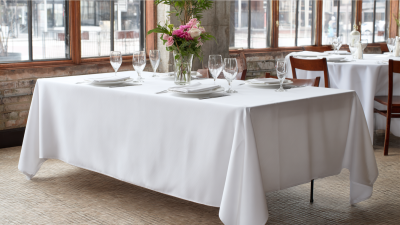
Choosing the right drop length changes how a table feels. For formal dinners, a 12–15 inch drop usually creates a balanced, polished edge. A floor-length cloth can reach 15–30 inches below the tabletop. It suits weddings, ceremonies, and carefully styled dining rooms. Measure the table’s width and length first. Then add twice the chosen drop. For round tables, add twice the drop to the diameter.
Casual settings allow more flexibility. A 6–10 inch drop keeps chairs moving freely and reduces fabric touching children, bags, or shoes. Outdoor buyers may prefer a shorter drop because wind catches loose fabric quickly. Indoor cafés often use an 8-inch drop for a neat, practical appearance. Small details matter. Check the table thickness, corner shape, and washing instructions before ordering.
In my experience, buyers often choose a dramatic drop without testing the chairs. That can make guests pull the cloth while sitting. I once misjudged this on a thick banquet table, and the final fit looked heavier than planned. A sample cloth helps reveal the real drape, especially after laundering. Fabric weight also changes the result. Lightweight material may need a shorter drop, while heavier fabric can hang more smoothly. Regional measurement habits differ, so listing both inches and centimeters reduces ordering mistakes.
Tablecloth Size Charts for Round, Square, Rectangular, and Oval Tables
Global buyers need a measuring method, not guesswork. Measure the tabletop’s length, width, or diameter before ordering. Add twice the desired drop to each dimension. A 20–30 cm drop suits everyday dining, while 30–40 cm looks more formal. Hospitality buyers should allow extra length for movement and laundering.
Round table chart: 90 cm diameter needs 130–150 cm cloth; 120 cm needs 160–180 cm; 150 cm needs 190–210 cm; 180 cm needs 220–240 cm.
Square table chart: 90 × 90 cm needs 130 × 130 cm; 120 × 120 cm needs 160 × 160 cm; 150 × 150 cm needs 190 × 190 cm. Rectangular table chart: 120 × 75 cm needs 160 × 115 cm; 180 × 90 cm needs 220 × 130 cm; 240 × 100 cm needs 280 × 140 cm. For oval tables, use the longest and shortest measurements like a rectangle. Curved corners may require a slightly larger cloth.
Grand View Research valued the global home textiles market at approximately US$129 billion in 2023 and forecasts about 5% annual growth through 2030. That expansion increases demand for consistent, measurable textile specifications. IMARC’s 2024 outlook also highlights hospitality replacement purchasing as an important demand factor. Fabric shrinkage remains easy to overlook. Cotton may lose several percent after washing, depending on finishing and temperature. A chart cannot replace a tape measure. Test one sample after laundering, then revise the purchase size if the drop looks uneven.
2026 Top Tablecloth Sizing Guide for Global Buyers
Recommended tablecloth dimensions for round, square, rectangular, and oval tables, based on a standard 12-inch drop on each side.
The recommended cloth size is calculated by adding 24 inches to the table’s longest dimension: 12 inches of drop on each side. For rectangular and oval tables, select a cloth that also matches the required width after adding 24 inches to the tabletop width. Formal dining settings may use a longer drop, while casual settings may use a shorter drop.
Global Sizing Considerations for Wholesale Buyers and Suppliers
2026 Top Tablecloth Sizing Guide for Global Buyers
Global Sizing Considerations for Wholesale Buyers and Suppliers
Tablecloth sizing starts with the table, not the package label.
Measure length, width, and height in centimeters and inches. A standard dining table may measure 180 by 90 centimeters, but regional furniture sizes vary. For a formal look, allow a 25–30 centimeter drop on each side. Events often require a longer 40-centimeter drop. Floor-length covers need the table height added twice.
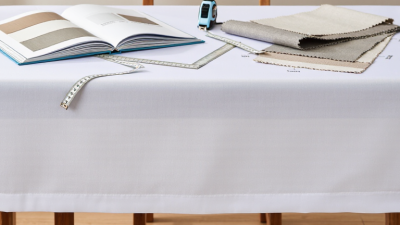
Wholesale buyers should request finished measurements, fabric composition, and tolerance ranges. Cotton and linen can shrink after washing, while synthetic blends usually hold their shape better. Ask suppliers to confirm pre-wash and post-wash dimensions. This small detail prevents costly packing errors. It is often overlooked.
Suppliers should provide clear size charts with metric and imperial units. Use the same measurement method for every sample. A rectangular cloth needs length plus twice the desired drop. A round cloth needs diameter plus twice the drop.
For example, a 120-centimeter table with a 30-centimeter drop needs a 180-centimeter cloth.
Check the corners, too. A tablecloth may fit mathematically but appear uneven in use. Buyers should test one sample on the actual table before placing a bulk order. Lighting, fabric weight, hems, and laundering can change the final impression.
My practical view is simple: sizing charts help, but physical testing remains essential.