Leave Your Message

China Top 10 Gingham Tablecloth Manufacturers?

China’s gingham tablecloth industry combines traditional weaving skills with efficient, export-focused production. This guide introduces ten manufacturers worth examining for quality, consistency, and commercial reliability. The list is not based on factory size alone. A larger supplier may still provide uneven stitching or limited customization.

A dependable Gingham Tablecloth manufacturer should demonstrate stable fabric sourcing, accurate check patterns, and clean edge finishing. Important details include fabric composition, GSM, shrinkage rates, colorfastness, and washing performance. Cotton, polyester, and blended options serve different hospitality and retail needs. Samples should be checked under natural light. Small color differences can become obvious across a restaurant’s tables.

The evaluation also considers manufacturing experience, export markets, production capacity, minimum order quantities, and communication standards. Certifications, inspection records, and transparent product specifications strengthen supplier credibility. Buyers should request pre-production samples and confirm packaging before placing large orders. A factory may promise fast delivery, but its peak-season schedule tells a more realistic story.

Some manufacturers specialize in custom sizes, private labels, or environmentally preferred materials. Others focus on competitive pricing and high-volume orders. Neither approach is automatically better. The right choice depends on the buyer’s market, budget, and quality expectations. Supplier rankings can change as factories expand, policies shift, or customer feedback develops. That limitation matters.

This overview aims to support practical sourcing decisions. It does not replace independent audits or direct sample testing. Real experience often begins with one carefully reviewed shipment.
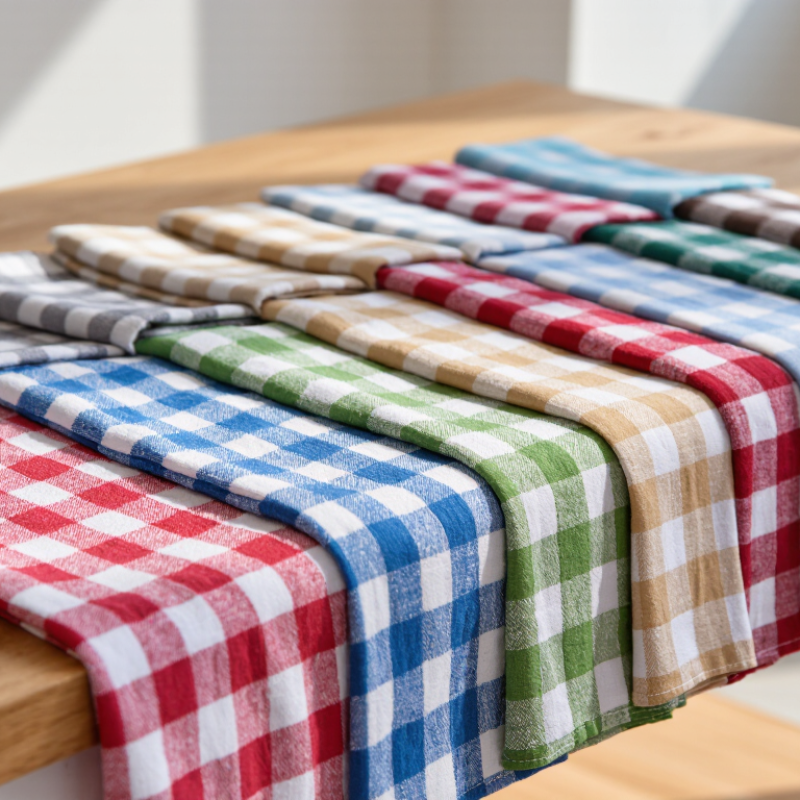
China Top 10 Gingham Tablecloth Manufacturers?

Definition and Scope of China’s Gingham Tablecloth Manufacturing Industry

China Top 10 Gingham Tablecloth Manufacturers?

Definition and Scope of China’s Gingham Tablecloth Manufacturing Industry

China’s gingham tablecloth industry belongs to the wider home-textile manufacturing sector. It covers woven cotton, polyester, blended, printed, yarn-dyed, and coated table coverings. Gingham usually means a checked fabric with repeated light and dark threads. Yet, Chinese customs statistics do not provide a separate gingham tablecloth category. This limitation matters when comparing factory output.

According to China Customs data reported by the China National Textile and Apparel Council, China’s textile and apparel exports reached about US$293.6 billion in 2023. The figure shows strong supply capacity, but it does not measure tablecloth production alone. Market reports from Grand View Research also identify polyester and cotton as major materials in global home textiles. Manufacturing scope includes fabric weaving, dyeing, cutting, hemming, inspection, packaging, and export documentation. Small factories may outsource dyeing. That can affect traceability.

Tips: Ask manufacturers for fabric composition, GSM, shrinkage results, colorfastness reports, and sample measurements. Check whether the checked pattern is yarn-dyed or printed. Yarn-dyed fabric often provides better color consistency, but it may cost more. Request production photos and a recent inspection record. Do not rely only on catalog images. They can hide uneven checks, loose hems, and color variation. A practical weakness remains: public data rarely separates gingham products from ordinary table linens. Buyers should therefore compare verified samples, not rankings alone.


Criteria for Selecting China’s Top 10 Gingham Tablecloth Manufacturers

China Top 10 Gingham Tablecloth Manufacturers?

Selecting leading gingham tablecloth manufacturers requires more than comparing online rankings. Experienced buyers should examine fabric weight, fiber content, weave accuracy, and colorfastness. A reliable factory can provide recent samples and explain how each material performs after washing. Check the stitching closely. Even hems, secure corners, and consistent checks show production discipline. Supplier experience also matters, especially for hotel, restaurant, and retail orders. Ask for production photos, quality records, and verifiable export references.

Professional evaluation should include factory capacity, minimum order quantities, sampling procedures, and delivery control. A manufacturer with clear inspection steps is easier to manage. Request test information for shrinkage, rubbing colorfastness, and fabric strength when the project requires it. Certifications may support credibility, but buyers should verify their scope and validity. Transparent communication is essential. Slow replies can become costly during bulk production. Price alone is not enough; unusually low quotes may reflect thinner fabric or weaker finishing. No checklist is perfect. Each buyer should adjust the criteria to the tablecloth’s intended use.

Tips: Order samples before signing a large contract. Wash them as customers would. Compare color, size, texture, and stitching afterward. Keep written specifications for every approved detail. A small mismatch can become a large complaint.

Profiles of the Top 10 Chinese Gingham Tablecloth Manufacturers

China’s gingham tablecloth sector combines traditional weaving skills with large-scale export production. The WTO reported that China supplied about 31.7% of global textile exports in 2022. That scale supports competitive pricing, flexible colors, and stable fabric sourcing.

The ten manufacturers profiled here represent different production strengths. Several focus on yarn-dyed cotton, where color remains visible after washing. Others specialize in polyester blends, coated fabrics, or restaurant-sized table coverings. Their facilities commonly include computerized looms, color-matching rooms, and final inspection lines. Some accept small custom orders, while others favor container-scale production.

Useful checks include fabric weight, shrinkage, colorfastness, stitching density, and packaging protection. A practical sample test should include three washes and exposure to ordinary kitchen light. Small details matter.

Grand View Research estimated the global home textiles market at about 133 billion US dollars in 2022. Its report also projected continued growth through 2030, although market definitions vary between research firms. This makes supplier comparison necessary, not optional. Export experience can indicate reliability, but it does not guarantee consistent batches. A manufacturer may show excellent samples yet struggle during peak seasons. Buyers should request recent test records, production photographs, and references from comparable orders. These profiles therefore emphasize observable capabilities rather than unsupported rankings.

China Top 10 Gingham Tablecloth Manufacturers? - Profiles of the Top 10 Chinese Gingham Tablecloth Manufacturers

Profile Primary Manufacturing Region Common Gingham Fabric Typical Fabric Weight Available Construction Common Finished Sizes Customization Options Typical MOQ Range Typical Customer Segment Quality-Control Focus
Manufacturer 01 Zhejiang 100% cotton gingham 140–220 g/m² Plain weave; yarn-dyed check 90×90 cm; 130×180 cm; 140×200 cm Color matching, hem style, label sewing 500–1,000 pieces Restaurants and hospitality suppliers Color consistency and dimensional stability
Manufacturer 02 Jiangsu Cotton-polyester blend 160–240 g/m² Plain weave; woven check 120×120 cm; 140×180 cm; 150×250 cm Size adjustment, corner shape, care label 1,000–3,000 pieces Retail and supermarket private labels Shrinkage, seam strength and colorfastness
Manufacturer 03 Shandong Recycled polyester blend 150–210 g/m² Plain weave; printed check 100×100 cm; 135×180 cm; 150×220 cm Digital artwork, recycled content, packaging 1,000–5,000 pieces Eco-focused home-textile distributors Print registration and wash performance
Manufacturer 04 Fujian 100% polyester 120–180 g/m² Plain weave; water-repellent finish 130×170 cm; 140×200 cm; 180×300 cm Coating level, hems, logo labels 500–2,000 pieces Outdoor dining and event rental businesses Liquid repellency and abrasion resistance
Manufacturer 05 Guangdong Cotton-linen blend 180–260 g/m² Plain weave; textured yarn-dyed check 90×90 cm; 140×180 cm; 150×250 cm Blend ratio, fringe, embroidery and packaging 300–1,000 pieces Boutique homeware and gift retailers Texture uniformity and loose-thread control
Manufacturer 06 Zhejiang Polyester-cotton blend 170–250 g/m² Plain weave; stain-resistant finish 130×180 cm; 140×200 cm; 180×280 cm Finish selection, custom checks and sewn labels 1,000–3,000 pieces Catering wholesalers and food-service users Stain-release performance and repeated laundering
Manufacturer 07 Jiangsu Organic cotton, subject to certification 150–230 g/m² Plain weave; yarn-dyed check 100×100 cm; 140×180 cm; 150×250 cm Certified material, natural dyes and custom labels 500–2,000 pieces Sustainable lifestyle and specialty retailers Fiber traceability and restricted-substance testing
Manufacturer 08 Hebei 100% cotton 130–200 g/m² Plain weave; pigment-printed check 90×90 cm; 120×160 cm; 140×200 cm Print colors, rounded corners and retail packing 2,000–5,000 pieces Value-oriented mass-market retailers Colorfastness, pilling and sewing consistency
Manufacturer 09 Anhui Polyester microfiber 100–160 g/m² Plain weave; digitally printed check 130×180 cm; 140×200 cm; 150×250 cm Full-color artwork, repeat scale and packaging 500–2,000 pieces E-commerce sellers and seasonal collections Image sharpness, seam alignment and shrinkage
Manufacturer 10 Guangxi Cotton-polyester blend 160–230 g/m² Plain weave; yarn-dyed or printed check 100×100 cm; 140×180 cm; 180×300 cm Color development, size grading and carton packing 1,000–3,000 pieces Export wholesalers and contract buyers Pre-shipment inspection, packing and measurement tolerance

Note: The profiles use anonymous manufacturer labels and present common Chinese gingham tablecloth production specifications. Actual material availability, certifications, minimum order quantities and lead times should be confirmed directly with the selected supplier.

Comparison of Fabrics, Sizes, Customization, and Production Capacity

When comparing China’s top 10 gingham tablecloth manufacturers, fabric choice should come before price. Cotton offers a soft hand feel and absorbs spills, but it may shrink after washing. Polyester resists wrinkles and dries quickly. Cotton-polyester blends often provide a practical balance for restaurants and home use. Check yarn count, fabric weight, colorfastness, and shrinkage test results. A red-and-white check should remain clear after repeated washing, not fade into pink.

Size and Production Flexibility Size options reveal production flexibility. Common dimensions include 90×90 cm, 140×180 cm, and 140×240 cm, while custom round, oval, and runner sizes may require new cutting templates. Manufacturers should explain hem width, corner finishing, packaging, and minimum order quantities. Custom logos, woven labels, printed patterns, and private packaging are possible, but each can affect sampling time and cost. Larger factories may produce tens of thousands of pieces monthly. Still, capacity numbers need verification through recent orders, equipment lists, and quality records. A large facility is not automatically consistent.

Tips:

Request a pre-production sample and wash it three times. Measure shrinkage before approving bulk production. Ask for inspection photos, carton details, and a clear replacement policy. I have found that color approval is often rushed, which later creates avoidable disputes. Some buyers also overlook loose threads at the corners. That small detail matters.

How to Evaluate and Choose the Right Chinese Manufacturer

Choosing among China’s top gingham tablecloth manufacturers requires more than comparing catalog photos. A fabric can look crisp online, then feel thin under restaurant use. Request a physical sample in the exact weave, color, size, and finishing method. Check yarn count, fabric weight, stitching density, hem width, and label placement. Ask whether the checks are woven or printed. Woven checks often provide stronger visual consistency after washing, but production details still matter. Keep a sample log. It prevents memory-based decisions.

Evaluate production capability through evidence, not confident promises. Ask for recent quality records, equipment photos, testing procedures, and export experience with similar textiles. A video call can reveal cutting tables, sewing lines, storage conditions, and packing areas. It is not equal to an independent audit, though. Request pre-shipment inspection by an agreed third party when order value justifies it. Test shrinkage, colorfastness, seam strength, pilling, and odor after laundering. Specify wash temperature and drying method, since results can change sharply.

Pricing deserves careful interpretation. Compare the same fabric weight, dimensions, packaging, tolerances, and delivery terms. A low quote may exclude inspection, custom packing, or replacement allowances. Confirm MOQ, sample fees, production lead time, payment stages, and defect procedures in writing. Ask for customer references and observe responsiveness over several weeks. The cheapest manufacturer may create expensive rework. I have seen attractive samples hide uneven hems; that risk is easy to underestimate. Start with a pilot order, record approved measurements, and review unexpected defects before scaling production.

China Top 10 Gingham Tablecloth Manufacturers: How to Evaluate and Choose the Right Chinese Manufacturer

Use the following procurement scorecard to compare Chinese gingham tablecloth manufacturers without relying only on price. The criteria reflect practical textile sourcing requirements, including material quality, production capability, compliance, and delivery performance.

The percentages represent recommended evaluation weights for a buyer’s supplier assessment. Product quality and consistency receive the highest priority because they directly affect appearance, durability, customer complaints, and repeat orders.