What is a Rectangle Tablecloth and How to Choose One?
Choosing a rectangle tablecloth can transform your dining experience. A well-selected tablecloth adds elegance to any gathering. It not only protects your table but also enhances the overall decor.
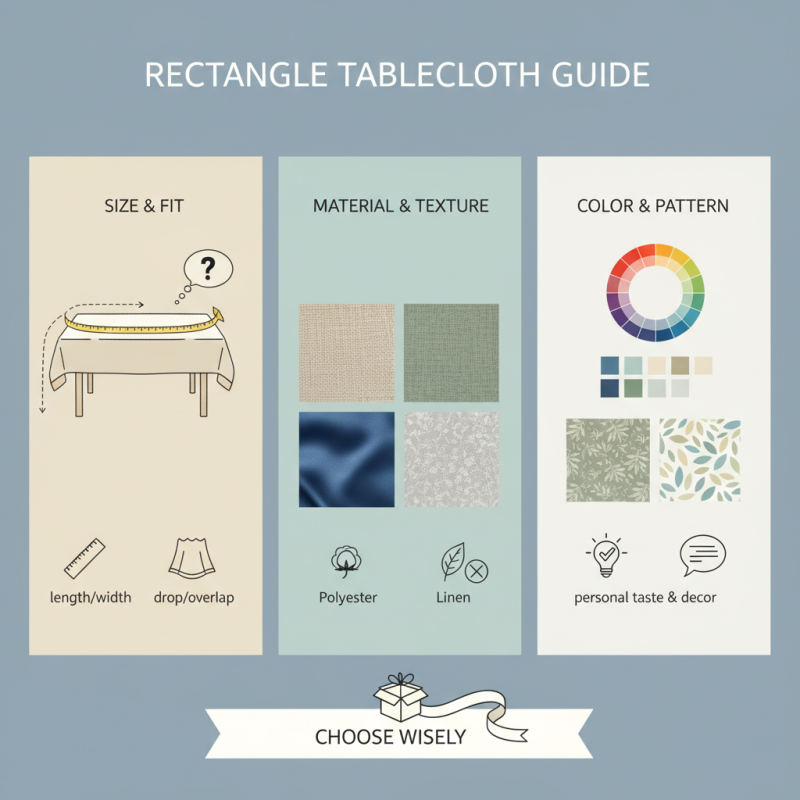
When selecting a rectangle tablecloth, consider the size and material. The right fit avoids awkward draping. Fabrics vary from cotton to polyester, each offering unique aesthetics and functionality. Think about the colors and patterns. Do they complement your existing decor?
However, it can be challenging to make a choice. Many styles exist, and personal taste varies significantly. It’s easy to feel overwhelmed by options. The perfect rectangle tablecloth should meet your needs and preferences. Yet, it’s common to second-guess your decision. Trust yourself and embrace the joy of choosing wisely.
Definition and Characteristics of a Rectangle Tablecloth
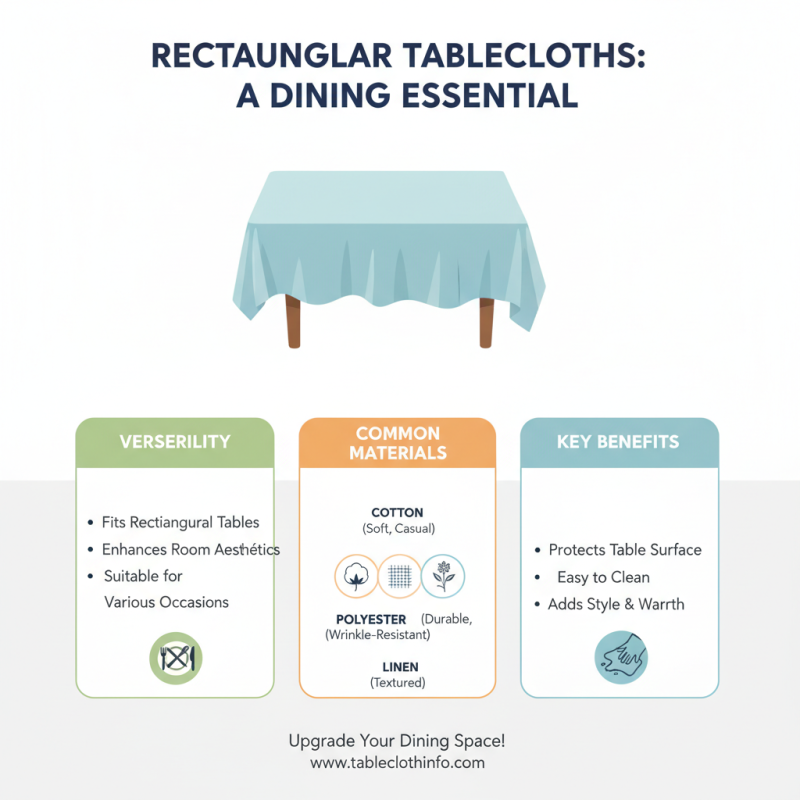
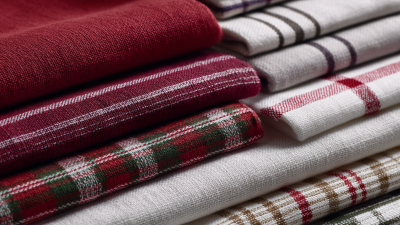
A rectangle tablecloth is designed to fit rectangular tables. It is a versatile accessory for dining spaces. Made from various materials, these tablecloths can enhance the aesthetics of a room. Common fabrics include cotton, polyester, and linen, each offering unique looks and textures.
When selecting a rectangle tablecloth, consider size and drop length. The size should match your table dimensions for a neat fit. A good drop length is generally between 6 to 12 inches, creating a balanced look. Color and pattern also play vital roles in your choice. A bright color can add cheer, while a neutral tone offers elegance. Patterns can reflect personal style but may require more caution. Mixing too many patterns can lead to chaos.
Maintenance is essential to prolong the life of a tablecloth. Some fabrics are easier to clean than others. Choosing a wrinkle-resistant material can save time and effort. Yet, one might overlook the importance of proper care. Stains can become permanent if not treated promptly. Reflecting on these decisions helps in creating a beautiful table setting. The right tablecloth not only protects the surface but also sets the mood for gatherings.
Different Materials Used for Rectangle Tablecloths
When selecting a rectangle tablecloth, material matters significantly. Different fabrics have unique benefits and aesthetics.
Cotton is a popular choice. It’s soft, absorbent, and easy to clean. Many people love the feel of cotton against their skin. However, it wrinkles easily and may not withstand heavy use.
Polyester is another common option. It is durable and resistant to stains. This fabric can mimic the look of more luxurious materials.
It's ideal for parties and everyday dining. But, it can feel less natural and might trap heat.
Linen offers elegance. It is strong yet breathable. The texture adds a rustic charm. However, linen can be expensive and demands careful cleaning.
Each material has its pros and cons. Think about your needs before choosing. The right tablecloth enhances your dining experience.
How to Measure Your Table for the Right Tablecloth Size
When choosing a rectangle tablecloth, measuring your table accurately is crucial. Start by noting the length and width of your table. Use a measuring tape for precision. Many people skip this step and end up with ill-fitting tablecloths. A tablecloth that is too small can look awkward, while one that is too large can be cumbersome.
Consider how you want the tablecloth to fall over the edges. Do you prefer a simple drop, or a longer drape? This decision will influence your measurements. For a standard drop, measure at least 6 to 12 inches beyond the table’s edge. Don't forget to factor in any decorative elements, like table settings, that could affect the overall look.
Mistakes can happen. A first-time buyer might measure incorrectly or forget to account for table legs. This can lead to frustration when setting up for an event. Take your time with the measuring process. Double-check your numbers. A well-measured tablecloth can elevate your dining experience, adding warmth and comfort to any gathering.
Choosing the Right Color and Design for Your Tablecloth
Choosing the right color and design for a rectangle tablecloth can transform your dining space. Think about the mood you want to create.
Soft, pastel colors can evoke calmness, while bold, vibrant shades might energize the room.
Consider the season, too. Light colors suit spring weddings, while deep hues work well in fall.
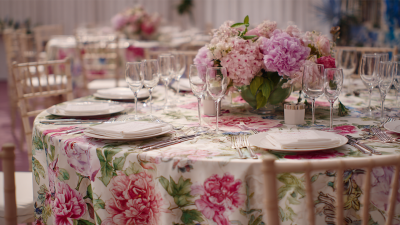
Patterns play a significant role in your selection. Stripes can add elegance, while floral prints bring a touch of nature indoors.
Mix and match textures as well. A linen tablecloth paired with silk napkins creates a lovely contrast. Don’t shy away from experimenting. Sometimes, an unexpected combination works wonders.
Pay attention to your existing decor. The tablecloth should complement your overall style. If your room is minimalist, go for simple designs. Overly complicated patterns may clash.
Remember, a tablecloth is not just a cover; it’s a statement piece. Make sure it reflects your personality.
Care and Maintenance Tips for Rectangle Tablecloths
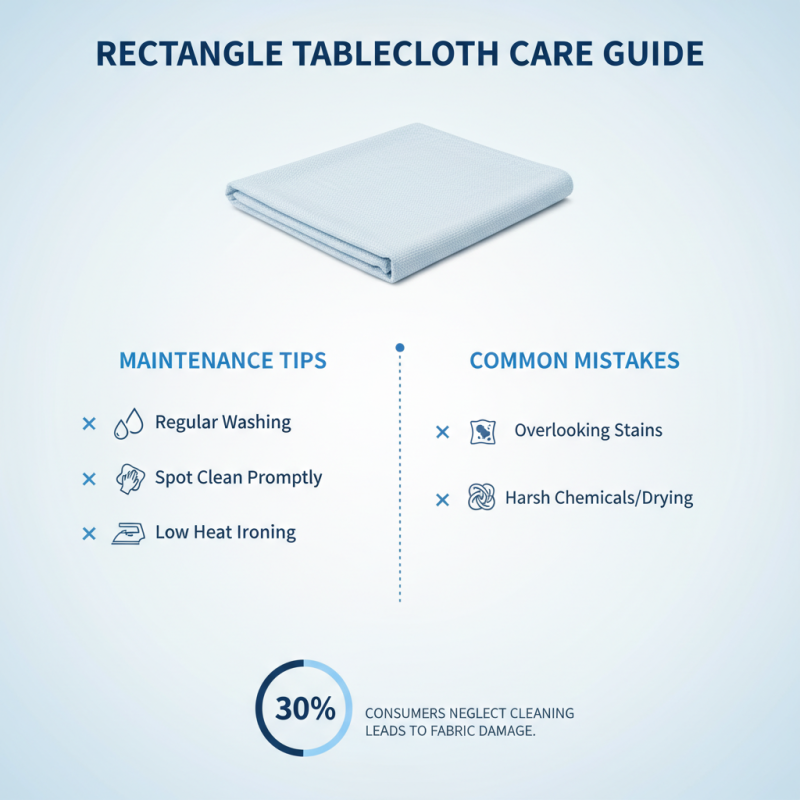
Caring for rectangle tablecloths requires attention to detail. Regular maintenance keeps them looking fresh. According to industry reports, over 30% of consumers overlook proper cleaning techniques. This neglect can lead to fabric damage over time.
When washing, always follow care labels. Most tablecloths can be machine-washed, but some require hand washing. Using cold water preserves colors and fabric integrity. Avoid bleach unless specified; it can weaken fibers. Ironing seems simple, yet 25% of users forget this step, leading to wrinkled and unappealing appearances.
Storing tablecloths is equally crucial. A cool, dry place is essential to prevent mildew. Rolling tablecloths instead of folding can avoid creases. Many people mistakenly fold them, causing permanent marks. Remember that attention to these details can enhance the longevity of your tablecloth, making it a centerpiece for gatherings.