Leave Your Message

How to Source Fabric Tablecloths in 2026

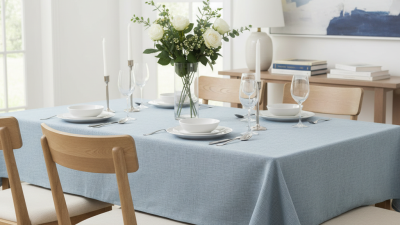
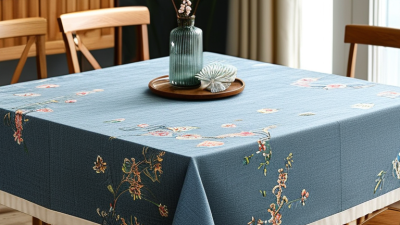
Sourcing Fabric Tablecloths in 2026 requires more than comparing attractive catalog images. Buyers must connect design, performance, cost, and responsible production. A cloth may look elegant online, yet feel thin under a dinner plate. Small details matter.

Experienced sourcing teams begin with a clear product brief. It should define fabric composition, finished dimensions, weight, color tolerance, stitching, shrinkage, and washing performance. Request physical samples before approving bulk production. Test them on real tables, not only in photographs. Rub the surface, wash the fabric, and inspect the hems afterward. These simple checks reveal weaknesses early.

Reliable suppliers should provide transparent factory information and consistent technical documentation. Verify claims about recycled fibers, organic materials, colorfastness, and social responsibility through credible certificates or audit records. Ask about minimum order quantities, sample fees, production capacity, packaging, and delivery schedules. Confirm applicable labeling and product-safety requirements for each destination market. Requirements can change, so professional buyers should recheck them before shipment.

Price still matters, but the cheapest quote may create costly replacements. A useful comparison includes fabric quality, inspection services, freight, duties, defects, and expected lifespan. Color trends may shift during 2026, while classic neutral shades often remain practical. That assumption deserves testing. Restaurant clients may prefer stain resistance, whereas event planners may value drape and photography.

This guide explains how to evaluate suppliers, compare materials, manage samples, and reduce sourcing risks. It also recognizes an uncomfortable truth: even careful planning cannot remove every uncertainty. Better decisions come from documented evidence, direct communication, and honest review after each order.

How to Source Fabric Tablecloths in 2026

Define Tablecloth Requirements and 2026 Sourcing Objectives

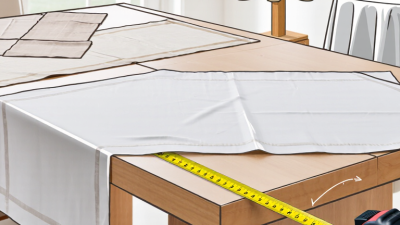
Before contacting suppliers, define the tablecloth’s purpose, setting, and service life. A banquet cloth needs different performance from one used in a small café. Record table sizes, drop length, washing temperature, folding methods, and storage conditions. Specify fabric composition, weight, weave, edge finish, and color tolerance. Add a simple measurement sketch. Details prevent vague quotations.

For 2026, set objectives that purchasing teams can measure. Target a defined landed cost, acceptable minimum order quantity, sample approval date, and maximum production lead time. Request full-size samples, not only small swatches.

Test shrinkage after five washes, seam strength, stain release, and colorfastness under commercial lighting. Ask for fiber documentation and recent quality records. A reliable supplier should explain testing methods, not simply promise quality. Keep an inspection checklist with clear pass-and-fail limits.

Build a comparison sheet covering price, capacity, response time, packaging, and backup plans. Confirm whether the factory can repeat the same shade six months later. That detail is often missed. Leave room for revision. Our first specification may demand low cost, heavy fabric, rapid delivery, and tiny quantities at once. These goals can conflict. Rank them before negotiation, then record every change in writing. A realistic objective is better than an impressive but unusable target.
Evaluate Fabric Types, Weaves, Finishes, and Performance

How to Source Fabric Tablecloths in 2026

Fabric selection should begin with the table’s real workload. Cotton offers a soft hand and strong absorbency, but it wrinkles and may shrink. Polyester resists stains, dries quickly, and usually holds color better. Blended fabric can balance appearance, cost, and care. Textile Exchange’s Materials Market Report 2024 states that polyester represented about 57% of global fiber production in 2023. That scale supports broad availability, but it does not guarantee responsible production or consistent quality.

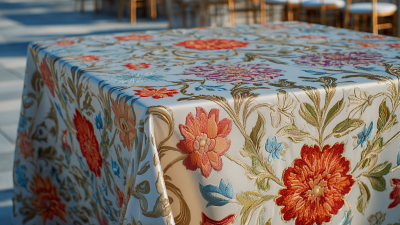
Weave changes both appearance and service life. Plain weave feels crisp and remains economical. Twill adds visual depth and can hide light marks. Jacquard creates texture, yet raised patterns may catch utensils. Ask suppliers for fabric weight, thread density, colorfastness, and dimensional-change results. Test laundering under ISO 6330 conditions when repeated washing matters. Check wet and dry crocking under ISO 105-X12. Test the edges. Poor hemming can ruin an otherwise excellent fabric.

Finishes deserve careful questioning. Fluorocarbon-free repellents, acrylic coatings, and enzyme treatments behave differently after washing. Request the finish’s durability data, not only the supplier’s claim. Grand View Research reported continued growth in the global home textiles market through 2030, increasing sourcing pressure and material choices. In practice, I reject samples that look attractive but develop shine after ironing. Not always. A small pilot order is safer than trusting photographs. My own mistake was judging softness before checking shrinkage. Measure before production, then measure again.

Identify and Screen Reliable Tablecloth Suppliers

How to Source Fabric Tablecloths in 2026

Identify and Screen Reliable Tablecloth Suppliers

Reliable sourcing begins with evidence, not attractive catalog photos. Textile Exchange’s Materials Market Report 2024 estimates global fiber production reached 124 million tonnes in 2023. It may reach 160 million tonnes by 2030. This pressure makes material claims easier to exaggerate. Ask each supplier for fiber composition, production location, recent test reports, and batch-level traceability. A practical sample check should include washing, colorfastness, shrinkage, seam strength, and stain resistance.

I once treated a polished sample as proof of quality. That was a mistake.

Screen the factory, not only the trading office. Request an independent social compliance audit, corrective-action records, and contact details for two recent customers. Confirm whether the reported factory actually cuts and sews your tablecloths. The OECD Due Diligence Guidance for Garment and Footwear Supply Chains recommends risk-based supplier assessment and ongoing remediation. That means one audit is not enough. Verify working conditions, subcontracting, payment terms, and production capacity before signing. Clear answers matter more than impressive certificates.

Tips: Send the same specification sheet to every candidate. Include fabric weight, finished size, tolerances, packaging, and inspection points. Order a small pilot batch before larger volumes. Measure ten pieces, not one. Keep dated photos and signed approvals. Recheck claims when the fabric changes. Suppliers can improve, but buyers can also overlook inconvenient evidence.

Compare Samples, Pricing, Minimum Orders, and Lead Times

Sourcing fabric tablecloths in 2026 requires more than choosing the lowest quote. Request samples in the exact fabric, color, size, and hem style. A 60-inch round cloth may look fine online but feel too thin on a banquet table. Check shrinkage after washing, color accuracy under warm lighting, seam strength, and loose threads. Photograph each sample beside a ruler and your table setting.

Compare pricing by finished piece, not fabric weight alone. Ask whether cutting, hemming, packaging, and delivery are included. Minimum order quantities can change the real cost. One supplier may accept 100 pieces but charge more per unit. Another may require 500 pieces and offer better pricing. Lead times also need careful checking. Confirm sample production, bulk production, inspection, and shipping separately. A quoted 25-day lead time may exclude fabric preparation.

Tips: Build a simple comparison sheet. Record unit price, sample fee, minimum order, production days, payment terms, and shipping estimates. Ask for a written tolerance on size and color. Leave extra time for corrections. I once treated a supplier’s production estimate as the full schedule, and the order arrived late after fabric approval took nine days. That mistake was avoidable. Also, do not trust one sample completely. Request a second piece when the order is large, because quality can vary between production batches.

Verify Quality, Sustainability, Compliance, and Delivery Terms

How to Source Fabric Tablecloths in 2026

Quality starts with measurable specifications, not attractive swatches. Request fabric weight, fiber composition, shrinkage, colorfastness, seam strength, and washing results. A 60°C wash test can reveal curling edges, fading, or unpleasant odor. Use independent laboratory testing and a pre-shipment inspection. ISO 2859-1 sampling helps define acceptable defect levels. However, sample checks can miss problems inside a full carton.

Sustainability needs evidence. Textile Exchange’s Materials Market Report 2024 states that global fiber production reached 124 million tonnes in 2023. It may rise to 160 million tonnes by 2030. Ask suppliers for recycled-content certificates, wastewater records, and farm or mill traceability. Do not accept “eco-friendly” as proof. For European sales, request REACH-related declarations. Other markets may require chemical, labeling, or flammability tests. If the cloth touches food, verify applicable food-contact rules separately. I would not assume one certificate covers every destination.

Tips: Put every promise into the purchase contract. Define fabric tolerance, carton dimensions, inspection timing, replacement terms, and delivery milestones. Use Incoterms 2020 clearly. Ask for production photos with date stamps, then compare them with the approved sample. Record the actual arrival date. Delivery risk often hides in vague wording. A 30-day lead time may exclude fabric booking, testing, customs, and port delays. Leave buffer time. It feels inefficient, but rushed tablecloths usually cost more.