How to Choose the Best Fitted Tablecloth for Your Needs?
Choosing the perfect Fitted Tablecloth can seem daunting. With various options available, making the right choice is crucial for any event. A well-fitted tablecloth enhances the overall aesthetic and protects your tables.
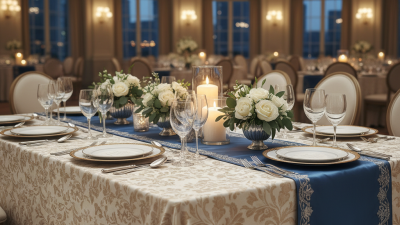
When selecting a Fitted Tablecloth, consider the material, size, and design. Different fabrics offer varying levels of elegance and durability. If hosting an outdoor event, a water-resistant material may serve you better. Remember that size matters; ensure your tablecloth fits snugly without excessive excess fabric.
Understanding your specific needs is key to finding the right fit. Take time to reflect on the occasion. Your choice can elevate the entire atmosphere. However, don’t get overwhelmed by choices. Sometimes, simplicity is effective. Embrace colors and patterns that resonate with the theme. In the end, a carefully chosen Fitted Tablecloth adds a special touch to your gathering.
Understanding the Different Types of Fitted Tablecloths Available
When selecting a fitted tablecloth, it's crucial to understand the various types available. Fitted tablecloths come in different shapes and sizes. Common types include rectangular, round, and square options. Each type suits different table shapes, impacting the overall aesthetic. For instance, a fitted tablecloth for a round table often creates a softer look. It drapes beautifully and minimizes wrinkles.
Material also plays a key role. Cotton and polyester are popular choices. Cotton offers breathability and comfort, while polyester is durable and easy to clean. Consider the occasion, too. For formal events, a sleek fabric may be ideal. For casual gatherings, vibrant colors and patterns can add a fun touch.
One might find that dimensions can be tricky. Measure your table accurately; an incorrect size may lead to disappointment. Some tablecloths can be too loose or tight. Check user reviews for insights on quality and fit. Reflecting on specific needs helps ensure the best choice. Your fitted tablecloth should not only serve its purpose but also elevate your dining experience.
Assessing the Size and Shape of Your Table for the Perfect Fit
Choosing the right fitted tablecloth requires careful consideration of your table's size and shape. The dimensions play a pivotal role in achieving a seamless fit. Start by measuring your table length, width, and height. Consider both the tabletop and any overhang you desire. For instance, a standard dining table often requires a drop of about 6 to 12 inches. This drop adds elegance while covering exposed table edges.
The table's shape also influences your tablecloth selection. Round tables demand circular tablecloths, while rectangular tables need corresponding shapes. A square tablecloth will not fit a rectangular table well, creating an awkward appearance. Remember, incorrect sizing can lead to an unprofessional look. Sometimes, the perfect fit may require custom tailoring. Assess your table's unique characteristics to avoid fit challenges.
Visualize how the tablecloth complements your decor. Patterns and colors can enhance or detract from your table's aesthetic. A bustling pattern may clash with intricate dishes. A simple design can unify extravagant table settings. Evaluate your choices holistically. Refine your options based on what works best for your space. Ultimately, the perfect tablecloth enhances the dining experience, yet imperfections in match can inspire unique creativity.
Material Choices: Selecting the Right Fabric for Your Tablecloth
When selecting the right fabric for your fitted tablecloth, consider the purpose it will serve. For everyday use, cotton blends offer durability and ease of cleaning. They resist stains and hold up well to frequent washing. If you're hosting a special event, linen adds elegance and sophistication. Linen tablecloths drape beautifully and give a refined look. However, they can wrinkle easily and may require more care.
Polyester is another popular choice. It's affordable and comes in various colors and patterns. This fabric resists stains and wrinkles, making it practical for busy households. Consider the visual appeal and tactile experience as well. The feel of the fabric should match the ambiance you want to create.
Remember, fabric weight matters. Lightweight materials can flow and lend a casual air. Heavier fabrics can create a more formal setting but may be cumbersome to handle. Reflect on how frequently you will use the tablecloth. Choosing the right material is essential, but it requires some thought and introspection. Balancing aesthetics and practicality will guide your decision.
Design and Color Considerations for Aesthetic Appeal
When selecting a fitted tablecloth, design and color play a crucial role in enhancing your space. Bold colors can energize a room, while muted tones offer tranquility. Consider the mood you want to evoke. A lively celebration might call for vibrant shades, while understated tones suit formal gatherings. Remember, the color directly influences the atmosphere.
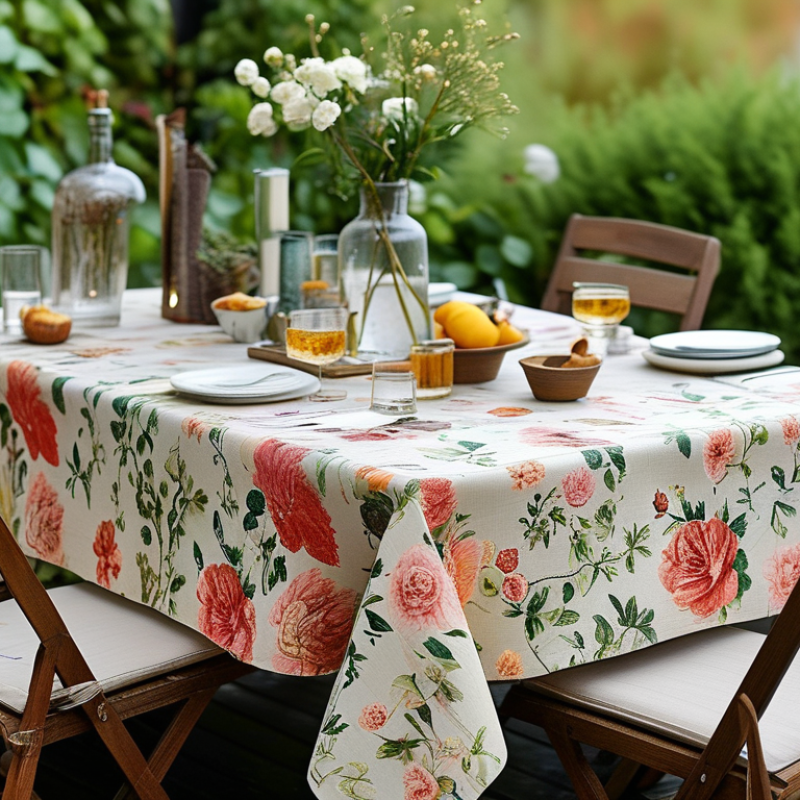
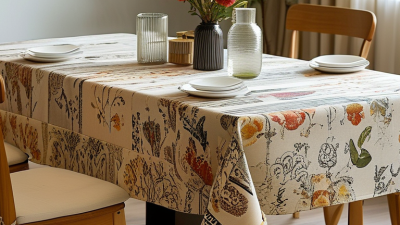
Patterns also deserve attention. Stripes or floral prints can add character to plain tables. However, too much complexity may overwhelm your decor. Assess your existing furnishings for harmony. A heavily patterned tablecloth may clash with busy wallpaper or patterned plates. Finding balance is essential.
Textiles offer a tactile dimension to your table setting. Smooth satin provides elegance, while linen brings a rustic touch. Reflect on the event type. Casual gatherings can comfortably use everyday fabrics. Special occasions may warrant luxurious choices. Ask friends for their experience with different materials. Their insights could help refine your decision-making process.
Maintenance and Care for Durable and Long-Lasting Tablecloths
Maintaining a fitted tablecloth requires attention and care to ensure longevity. Regular cleaning is essential, particularly for fabrics that attract stains easily. After each use, shake off crumbs and wipe spills with a damp cloth immediately. This simple step can prevent staining and reduce the need for frequent washes.
For deeper cleaning, always follow the care instructions. Most tablecloths can be machine washed, but settings vary. Using cold water is often recommended to prevent shrinkage. Drying can be tricky; air drying helps maintain shape, while tumble drying can lead to wrinkles.
Some tablecloths require ironing for a neat appearance. However, be cautious with heat settings. Ironing at a high temperature can lead to permanent damage. Instead, use a low setting and consider steam to release wrinkles. Reflecting on these steps can reveal personal tendencies in care routines that might need adjustment. A consistent practice will ensure your tablecloth remains vibrant and functional for years.
Tablecloth Material Comparison