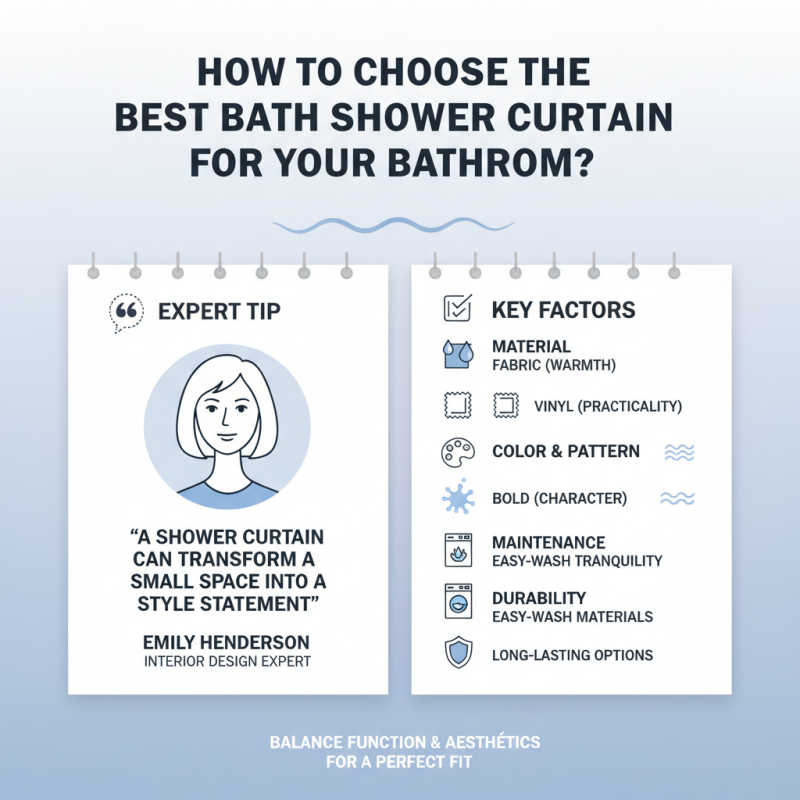
Choosing the right Bath Shower Curtain can dramatically affect your bathroom’s ambiance. According to interior design expert Emily Henderson, “A shower curtain can transform a small space into a style statement.” Selecting the perfect curtain balances function and aesthetics.
Many factors come into play, from material to pattern. A fabric curtain brings warmth, while vinyl offers practicality. Keep in mind, colors can alter your bathroom's vibe. A bold design can add character, but a neutral option fosters tranquility.
Reflect on your needs. Is maintenance a concern? Consider easy-wash materials. Think about durability too; a torn curtain can detract from your space. A well-chosen Bath Shower Curtain should not only fulfill its purpose but also enhance your bathroom's overall design.
Choosing the right bath shower curtain is crucial for your bathroom’s aesthetic and functionality. One key factor is the material. Options like vinyl and fabric each have pros and cons. Vinyl is waterproof and easy to clean, while fabric feels more luxurious. However, it might require a liner to prevent water from seeping through. So, think about what works best for you.
Another consideration is the size. A standard curtain fits most tubs, but irregular spaces may need customization. Measure your shower rod carefully. An ill-fitting curtain can create a frustrating experience.
Colors and patterns also matter. They can drastically change the room’s vibe. A bold print may energize the space, while soft colors can create a calm atmosphere.
Durability is an aspect not to overlook. Some curtains fade quickly, while others resist wear. Think about how often you use your shower. It’s easy to buy based on looks alone, but practicality should guide your choice. Reflect on how often you like to change styles or if you prefer a timeless design. Finding balance is key.
When selecting a bath shower curtain, the variety in materials and styles can significantly impact functionality and aesthetics.
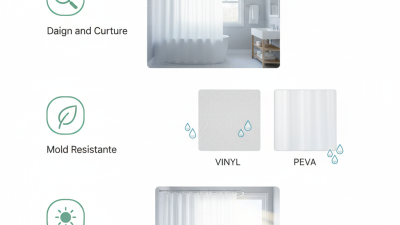
Vinyl curtains are popular due to their water resistance and affordability. They can last for years, but some users note they may retain odors over time.
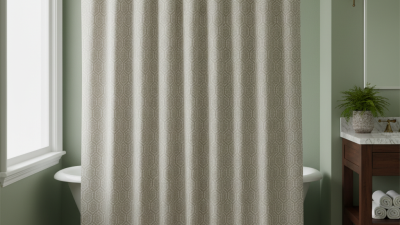
Meanwhile, fabric options, such as polyester or cotton, offer a softer touch. These materials are often machine washable but may require additional care to prevent mold.
In a recent industry report, around 50% of consumers prefer fabric shower curtains for their eco-friendliness. Many fabrics are certified low in volatile organic compounds (VOCs), making them safer for indoor environments. However, achieving the right balance between aesthetics and practicality can be tricky. Some fabrics do not repel water well, potentially leading to soggy curtains.
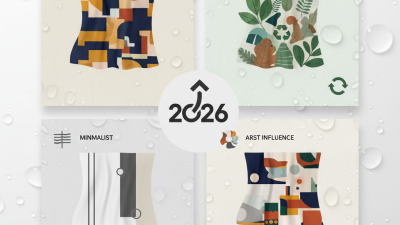
Design matters too. Patterns and colors can influence mood and ambiance. Simple designs may suit minimalist styles. Conversely, bold prints add personality. Yet, picking trends can backfire if styles change quickly. The wrong choice can lead to a bathroom that feels dated poorly. Therefore, considering both current trends and timeless designs is crucial.
When measuring your shower space, accuracy is key. Start by measuring the width of the shower rod. Use a tape measure for precision. Ensure you account for any hardware that might alter the final length. For length, measure from the top of the rod to the desired floor length. A little excess can be helpful for added coverage.
Tips: Always measure twice. Mistakes can lead to wrong sizes. If your space is tight, consider a shorter curtain. This prevents puddles, helping you maintain cleanliness. Width is just as important. A curtain that’s too narrow won’t offer enough coverage.
If your shower has unique shapes, consider custom options. Angled showers or curved rods may require specific dimensions. Don’t hesitate to take extra notes and sketches. It’s easier to visualize the final fit when you have a clear reference. Overthinking can lead to confusion, so keep it straightforward. A precise approach ensures a perfect match.
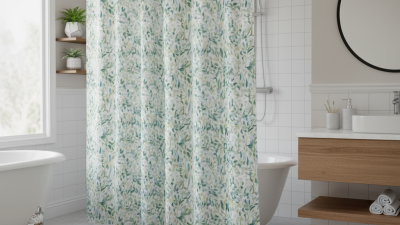
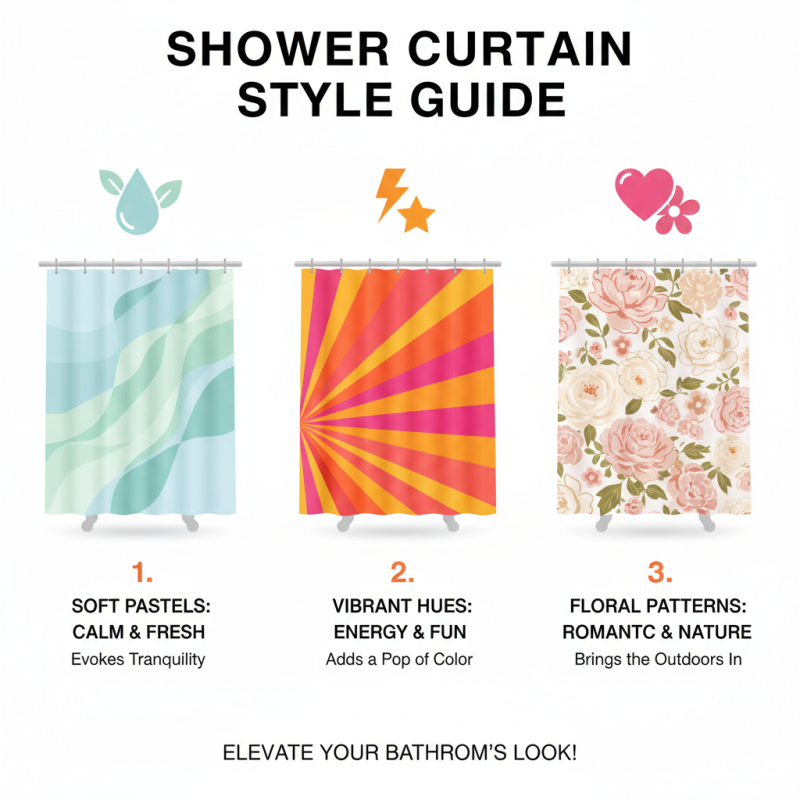
Choosing the right shower curtain can significantly enhance your bathroom's look. Color and pattern choices play a crucial role in this decision. Soft pastels can evoke calmness, while vibrant hues add energy. For a romantic feel, consider floral patterns. They bring nature inside, creating a fresh ambiance.
When selecting patterns, think about the overall theme of your bathroom. If it's modern, geometric designs may fit perfectly. Vintage themes often pair well with damask or paisley motifs. Remember, mixing patterns can be tricky. It requires careful thought to avoid a chaotic look. Sometimes, it can feel overwhelming.
Also, consider how colors interact with existing elements. A bold curtain might clash with your tiles. In contrast, a well-coordinated set can elevate the space. Reflect on your choices, and don't be afraid to change them later. Sometimes, what seems perfect initially may not feel right after a while. Experiment with different combinations to find the ideal balance.
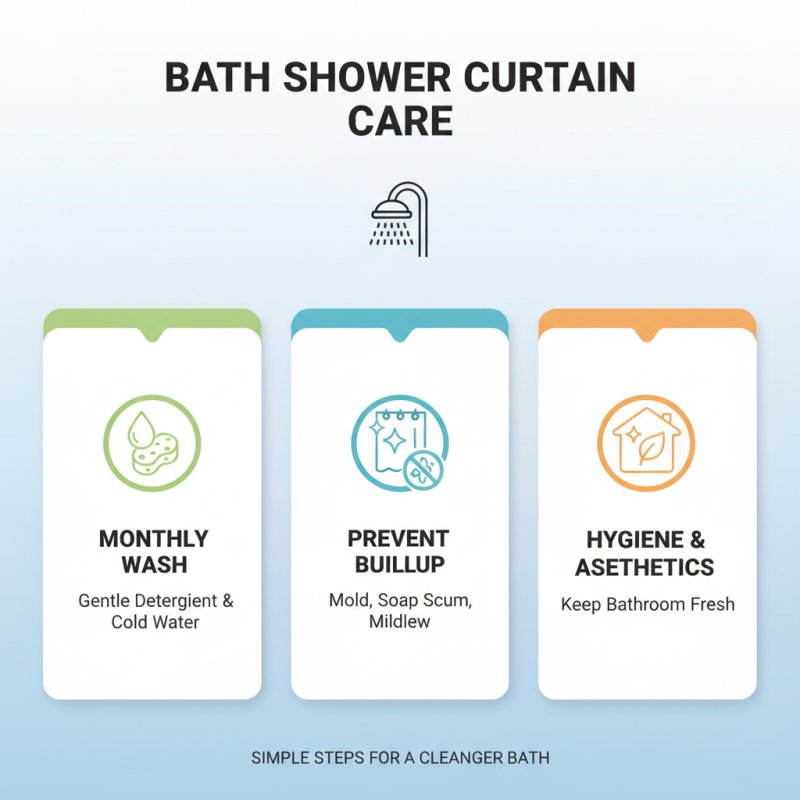
Maintaining and caring for your bath shower curtain is essential for both hygiene and aesthetics. Over time, curtains can accumulate mold, soap scum, and mildew. Regular cleaning can prevent this buildup, keeping your bathroom fresh. One simple way to maintain your curtain is to wash it every month. Use a gentle detergent and cold water. Avoid harsh chemicals that could damage the fabric.
Tips: Always check the care label. Some curtains can be machine washed, while others may require hand washing. If you notice any mold, a mixture of vinegar and water can be effective. Spray it on the affected areas and let it sit for a few minutes before rinsing. Hang it to dry in a well-ventilated area.
Consider the materials used in your shower curtain. Vinyl curtains tend to attract more mildew. Cloth curtains can be washed more easily, but they may require more frequent washing. Also, ensure you hang your curtain properly to avoid puddles. Water pooling at the bottom can lead to faster wear and increased mold growth. Remember that curtains aren't indestructible. Reflecting on your cleaning routine and habits can prevent future issues.