How to Choose the Right Fabric Shower Curtain for Your Bathroom Decor?
Choosing the right Fabric Shower Curtain is essential for enhancing your bathroom's style. A well-chosen curtain not only serves its practical purpose but also reflects your personal taste. It can be a focal point or a subtle accent.
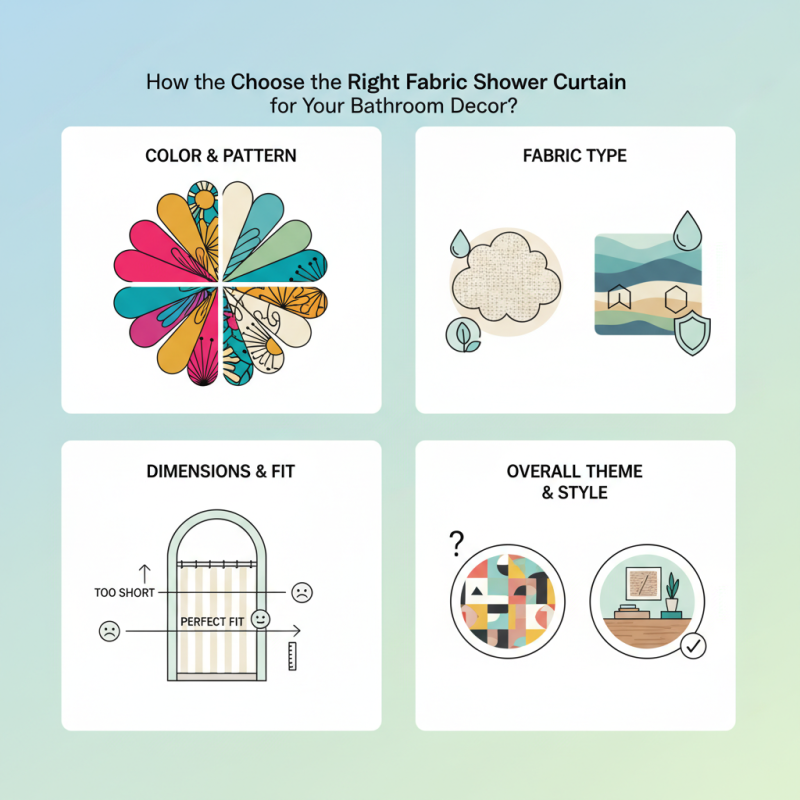
When selecting a fabric shower curtain, consider the color and pattern. Bright colors make a bold statement. Subtle tones can create a serene atmosphere. The fabric types vary, impacting their durability and maintenance. Cotton is soft but may require frequent washing. Polyester is easy to clean and resistant to mold.
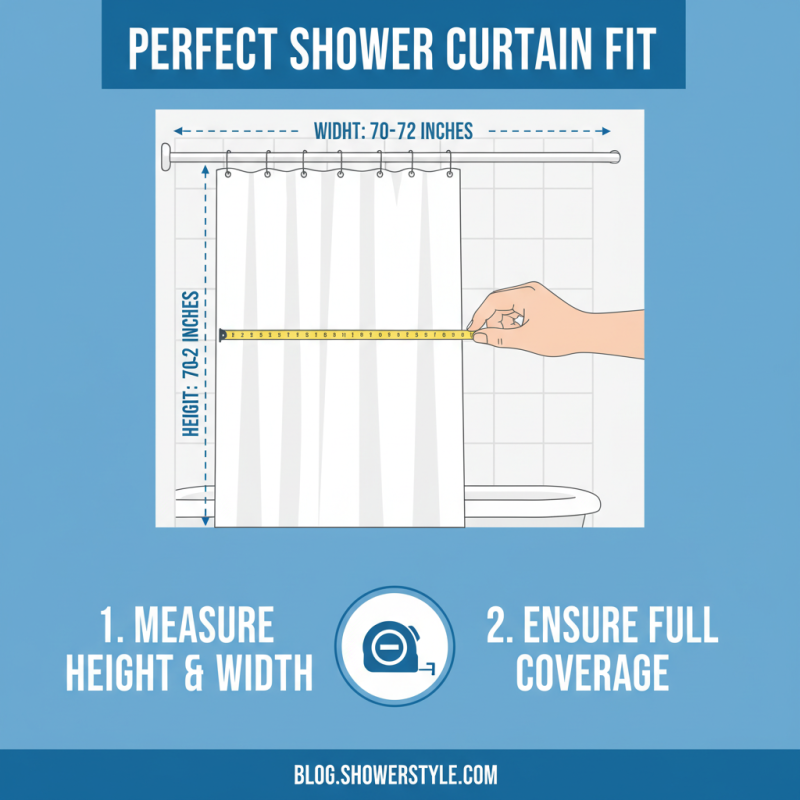
Keep in mind the dimensions of your shower space. A curtain that is too short or too long can look awkward. The design should complement other elements in your bathroom. Think about your overall theme. Some choices may seem trendy but could quickly become outdated. Reflecting on these aspects will lead you to the perfect Fabric Shower Curtain that suits your decor.
Understanding Different Types of Fabric Shower Curtains: A Comprehensive Guide
When choosing a fabric shower curtain, consider the material carefully. Common options include cotton and polyester. Cotton offers a soft, natural feel. It’s breathable and absorbent, making it a popular choice. However, it can mold easily if not dried properly. Polyester, on the other hand, is water-resistant and dries quickly. It's durable and less prone to fading, which is a plus for long-term use.
Think about the design and color too. A bright pattern might energize the space, while a neutral tone offers tranquility. If your bathroom has limited light, a light-colored curtain can help brighten the room. Make sure to see how it looks in natural light, as colors can change. The size is crucial as well; an ill-fitting curtain can lead to water spills.
While fabric shower curtains are stylish, they require maintenance. They may need regular washing to prevent mildew and stains. Some may find this tedious, yet it’s essential for a clean look. Consider how much time you’re willing to invest in upkeep. Weigh the pros and cons to find the perfect match for your bathroom decor.
Evaluating Fabric Material: Cotton, Polyester, and Blends for Durability
Choosing the right fabric for shower curtains can greatly impact your bathroom's overall look. Cotton, polyester, and blends are popular materials, each with their pros and cons. Industry reports show that 70% of homeowners prefer cotton due to its natural feel and high absorbency. Cotton, however, tends to retain moisture. This can lead to mildew if not maintained properly. Regular cleaning is essential to avoid this issue.
Polyester is another top choice. It dries quickly and resists mold better than cotton. About 60% of users favor polyester for its durability. Some studies indicate that polyester can last twice as long as cotton with proper care. This can save you money in the long run. However, polyester may not have the same aesthetic appeal as natural fabrics. Blended materials combine the best of both worlds. They often feature cotton’s softness and polyester's durability, making them versatile for different styles.
How do you decide? Aesthetic appeal is important, but function matters too. Look for curtains labeled as "mold-resistant" or "easy to clean." Consider the frequency of bathroom use. If your bathroom is frequently used, a durable polyester blend might be better. Don’t overlook the environmental impact, either. Some materials are more sustainable, influencing your choice beyond function.
How to Choose the Right Fabric Shower Curtain for Your Bathroom Decor?
| Fabric Type |
Durability |
Water Resistance |
Maintenance |
Aesthetic Appeal |
| Cotton |
Moderate |
Low |
Machine wash, but may shrink |
Soft and natural look |
| Polyester |
High |
High |
Easy to clean, quick-drying |
Variety of colors & patterns |
| Cotton-Polyester Blend |
Good |
Moderate |
Wrinkle-resistant, easy to maintain |
Soft feel, wide range of looks |
| Vinyl or PVC |
Very High |
Very High |
Wipe clean, not machine washable |
Limited aesthetic options |
Water Resistance and Maintenance: Key Factors in Shower Curtain Selection
When choosing a fabric shower curtain, water resistance is crucial. Look for materials that repel moisture. Microfiber and polyester are great options, but they need careful consideration. The texture of these fabrics can affect their ability to resist water. Some may absorb water more than others. That can lead to mold and mildew concerns over time.
Maintenance is another key factor. A fabric shower curtain requires regular washing. This can feel tedious, especially when life gets busy. The washing frequency can vary, but every few weeks is recommended. If a curtain isn’t cleaned regularly, stains can set in. Stains make any bathroom look unkempt. It’s important to consider the longevity of the fabric. Some may fade or deteriorate faster than others, requiring replacements sooner than expected.
Color and design play a role too, but they shouldn’t overshadow practicality. Darker shades may hide stains better, while lighter colors might brighten a space. Think about the overall aesthetic but remember the practical implications. Finding a balance between style and functionality is a reflective process.
Design and Style: Enhancing Bathroom Aesthetics with Fabric Patterns
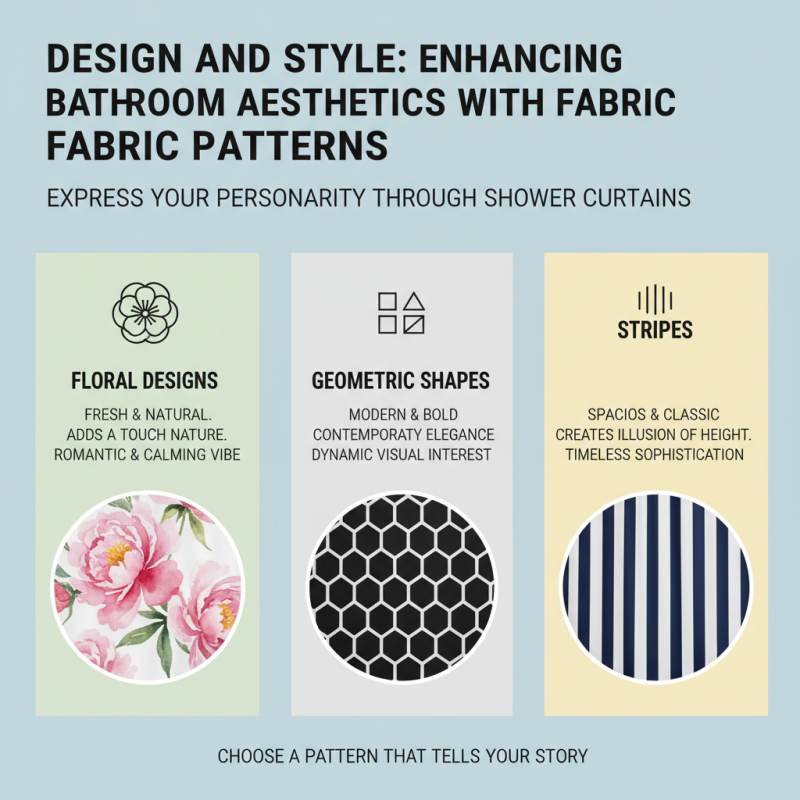
When selecting a fabric shower curtain, consider the patterns that resonate with your personal style. Floral designs can bring a fresh and vibrant feel to your bathroom. Geometric shapes may offer a modern touch, while stripes can create an illusion of space. Each pattern tells a story and reflects your taste.
Imagine walking into a bathroom adorned with a shimmering, wave-patterned curtain. The light catches the fabric, casting playful shadows. Or picture a bold, abstract design that draws the eye and becomes a conversation starter. However, it's essential to reflect on color choices that harmonize with your existing decor. A mismatch can create a jarring effect, disrupting the serene atmosphere one often seeks in a bathroom.
Choosing the right fabric also involves considering practicality. Some fabrics are easier to clean than others. If maintenance is a concern, opt for machine-washable options. Test swatches in your space to see how they interact with your lighting. This step can help avoid purchasing a curtain that looks beautiful online but falls flat in person.