2026 Top Bath Shower Curtain Trends What Buyers Need to Know
As we approach 2026, the landscape of Bath Shower Curtains is set to evolve dramatically. According to a report by the Home Textile Association, the Bath Shower Curtain market is anticipated to grow by 5% annually. Experts suggest that factors like sustainability and unique designs will shape consumer preferences. “Innovation must be at the forefront, as consumers desire more than just functionality,” says Lisa Chen, a leading expert in bathroom decor trends.
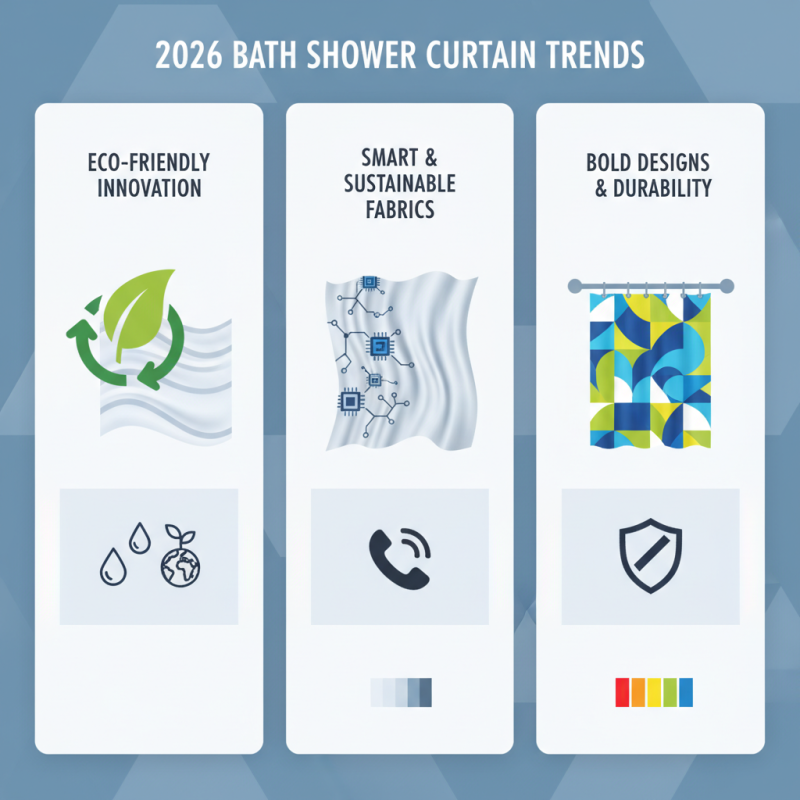
The rise of eco-friendly materials and smart fabrics is transforming the Bath Shower Curtain industry. Shoppers are now looking for options that not only enhance aesthetics but also contribute to a greener planet. Many brands are responding to this shift, offering curtains made from recycled materials. Yet, there is a challenge: ensuring quality while maintaining eco-conscious practices.
While trends point towards vibrant colors and bold patterns, some consumers remain hesitant. They often question the durability of new materials. Understanding this concern is vital for retailers and manufacturers. Balancing innovation and practicality is key. The direction we head towards in 2026 will require careful consideration of these evolving needs.
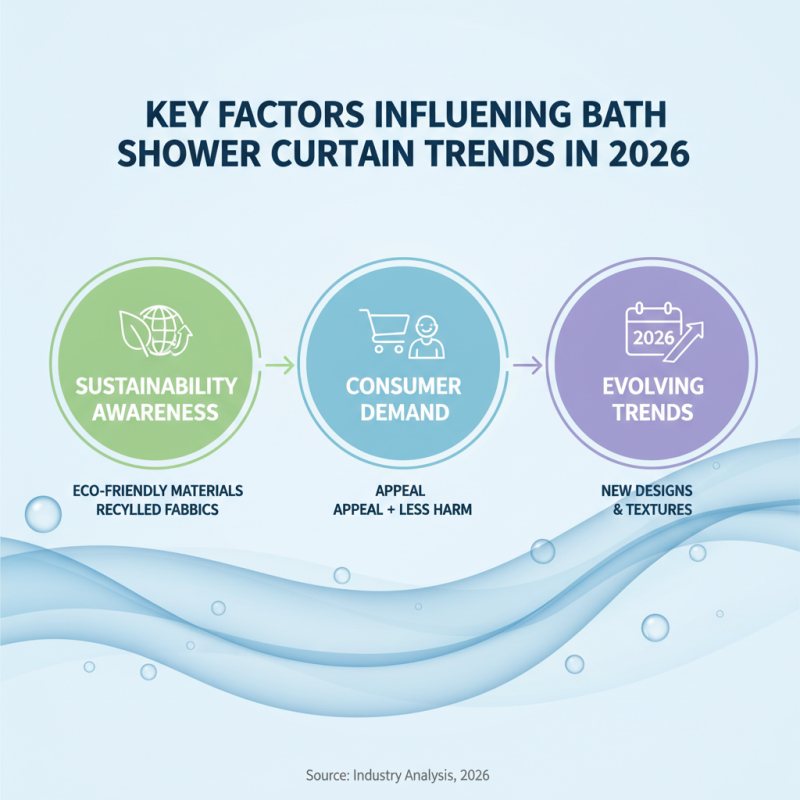
Key Factors Influencing Bath Shower Curtain Trends in 2026
As we enter 2026, bath shower curtain trends are evolving. Awareness of sustainability is influencing buyers. Eco-friendly materials like recycled fabric are becoming popular. Consumers want products that are not only appealing but also less harmful to the environment.
Color and design also play significant roles. Vibrant patterns and soothing hues are trending. Expect to see more minimalistic designs alongside bold artistic expressions. These choices reflect personal style and mood. However, the challenge lies in balancing aesthetics with functionality and durability.
Price sensitivity is real. Many people are looking for budget-friendly options. This doesn't mean compromising on quality. The best choices should provide both durability and style. Understanding these factors can help buyers make informed decisions in a competitive market. Let’s be honest, finding that perfect balance can be tricky.
Popular Materials and Textures for Shower Curtains in 2026
In 2026, shower curtain trends are expected to move toward sustainability and innovative materials. Consumers are increasingly looking for eco-friendly options. A recent industry report revealed that 75% of buyers prioritize sustainable materials. Fabrics like organic cotton and recycled polyester are gaining popularity. These textiles not only reduce environmental impact but also enhance durability.
Textures play a significant role in bathroom aesthetics. Velvety and linen textures are anticipated to dominate market choices. They provide a tactile experience that can elevate the sanctuary feel of any bathroom. A study indicated that 62% of buyers believe texture influences their purchase decisions. However, the challenge lies in cleaning and maintaining these materials. Many buyers hesitate due to fears of wear and tear, which can require regular upkeep.
Color trends will also shift. Soft earth tones and muted colors will replace the bold, vibrant shades of previous years. This change reflects a shift towards creating calming, serene spaces. However, finding the right balance between color and texture remains a challenge for some shoppers. The quest for the perfect combination can often feel overwhelming, leading to indecision. Consumers must consider their style preferences in tandem with practical needs.
2026 Top Bath Shower Curtain Trends
Color Palettes and Patterns to Watch Out for in 2026
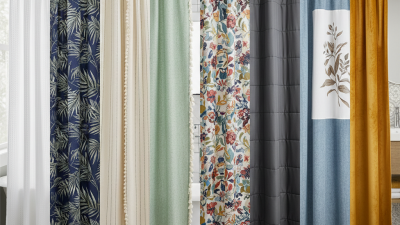
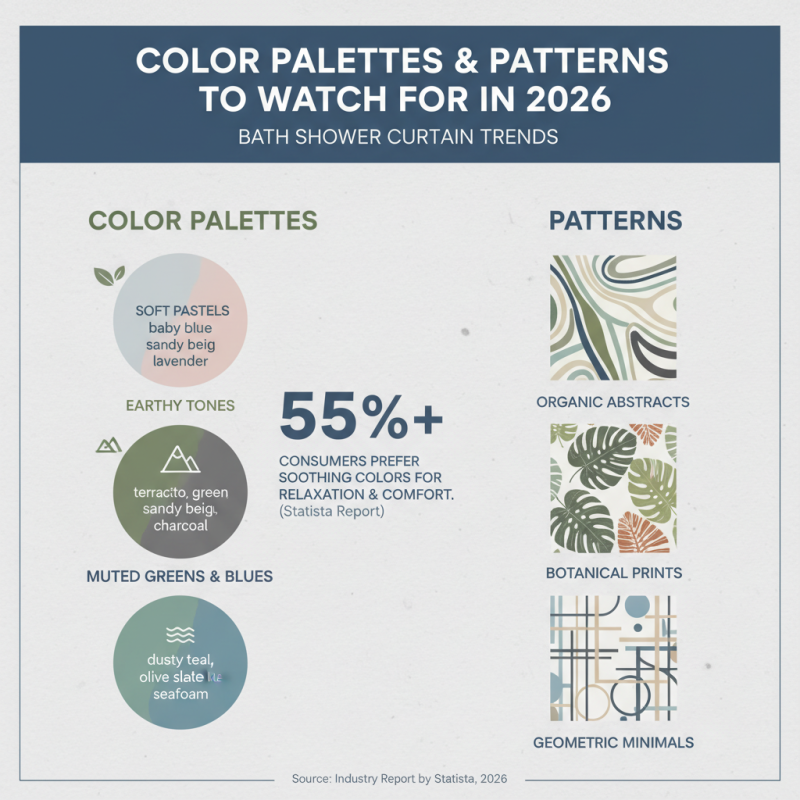
As we look ahead to 2026, bath shower curtain trends highlight intriguing color palettes and patterns. Soft pastels and earthy tones are gaining traction. The popularity of muted greens and blues reflects a desire for tranquility. According to a recent industry report by Statista, over 55% of consumers prefer these soothing colors in their bathroom spaces. These tones are not just visually appealing; they promote relaxation and comfort.
Patterns are evolving as well. Geometric designs and botanical prints are expected to thrive in 2026. These styles offer a fresh touch to bathroom decor. A survey by Home Textiles Today indicated that 48% of buyers are drawn to nature-inspired designs. Such aesthetics create a connection with the outdoors and enhance overall ambiance in bathrooms. However, it's essential for buyers to be cautious about their choices. Overly busy patterns can overwhelm small spaces, leading to a cluttered feel.
Material choices are also noteworthy. Waterproof fabrics are becoming staples in modern designs. Yet, some consumers find themselves disappointed when colors fade over time. Monitoring quality is vital for a long-lasting purchase. While some patterns may seem brilliant initially, fading can undermine the entire look. Making well-informed choices about colors and patterns will ensure that bathroom spaces remain stylish for years to come.
Smart Features and Technology in Modern Shower Curtains
Modern shower curtains are evolving with smart features and technology. These innovations can enhance your bathing experience significantly. One popular feature is the incorporation of waterproof LED lights. They create a soothing ambiance and add a touch of luxury. Imagine stepping into your shower and being greeted by soft, colorful lighting that sets the mood.
Another impressive advancement is the use of self-cleaning fabrics. Some curtains now feature materials that resist mold and mildew. This not only keeps your bathroom looking fresh but also reduces the time you spend on maintenance. However, the effectiveness of these materials may vary. Some buyers might find that the self-cleaning feature doesn’t always meet their expectations and may require some manual upkeep.
Smart shower curtains can also include built-in sensors. These detect humidity levels and can automatically adjust settings to prevent excess moisture. This technology can be beneficial in avoiding water damage. Yet, it is essential to consider the reliability of these devices. Dependence on technology can sometimes lead to unexpected issues, so buyers should weigh the pros and cons carefully.
Eco-Friendly and Sustainable Options in Shower Curtain Design
As we approach 2026, shower curtain trends increasingly highlight eco-friendly and sustainable options. Many consumers are drawn to materials that minimize environmental impact. Reports suggest that over 70% of buyers prefer sustainable products, indicating a significant shift towards eco-conscious living.
One popular choice is organic cotton. It is biodegradable and typically produced without harmful pesticides. Recycled materials are gaining traction too. Shower curtains made from recycled plastics can reduce waste significantly. This aligns with findings from the Environmental Protection Agency, which emphasizes the importance of recycling in decreasing landfill waste.
Tips for choosing eco-friendly curtains:
- Look for certifications that guarantee organic materials. These provide assurance of sustainability.
- Consider curtains that are machine washable and durable. This reduces the need for frequent replacements.
Awareness about harmful chemicals is also essential. Many traditional curtains contain
PVC and other toxic additives. Choosing non-toxic materials promotes a healthier bathroom environment. Though options are expanding, consumers often face confusion about what truly qualifies as sustainable. Make informed decisions by researching materials and certifications. Remember, small choices can lead to significant environmental changes.